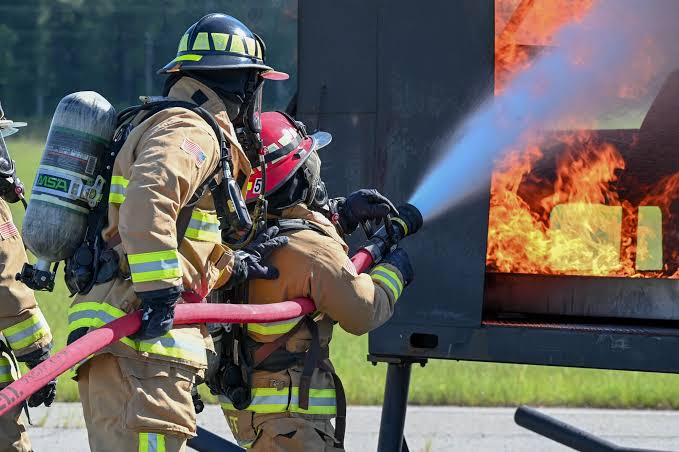
Assistant Firefighters in Piketberg, Porterville, Velddrif, and Redelinghuys
Closing Date: 25 October 2024
Salary: R250 per day
Introduction
The firefighting sector plays a vital role in ensuring the safety and security of communities, particularly in regions that are prone to seasonal wildfires. With climate change increasing the frequency and intensity of these fires, the demand for trained and capable firefighters is higher than ever. As part of efforts to strengthen emergency response teams, we are re-advertising the Assistant Firefighter positions in four crucial locations: Piketberg, Porterville, Velddrif, and Redelinghuys. These positions offer a unique opportunity for individuals passionate about firefighting and community service to contribute to public safety while gaining valuable experience in this critical field.
This article will explore the responsibilities, qualifications, and benefits associated with the Assistant Firefighter positions, provide detailed instructions on how to apply, and discuss the broader importance of fire safety in these specific areas.
Overview of the Firefighting Role
Firefighting is an inherently challenging and physically demanding profession, requiring a combination of technical skills, physical endurance, and the ability to make quick decisions under pressure. In rural and semi-rural areas such as Piketberg, Porterville, Velddrif, and Redelinghuys, the job of a firefighter is even more crucial. These regions experience various fire hazards, including bushfires, veldt fires, and domestic fires, often with limited resources.
The Assistant Firefighter positions are designed to provide individuals with hands-on experience in fire management and emergency response. The role involves assisting professional firefighters in preventing, combating, and extinguishing fires while also engaging in post-fire recovery operations. Assistant Firefighters are an integral part of firefighting teams, contributing to the overall success of fire operations and the safety of local communities.
Key Responsibilities of an Assistant Firefighter
The duties of an Assistant Firefighter are varied and require a proactive approach to firefighting. Some of the key responsibilities include:
- Fire Suppression:
Assisting in the suppression of fires through the use of various firefighting equipment, such as hoses, pumps, and firebreaks. This may involve extinguishing fires in forests, fields, residential areas, or industrial settings. - Fire Prevention:
Participating in fire prevention activities such as clearing brush, building firebreaks, and spreading awareness about fire safety. Preventing fires before they start is a crucial part of the job. - Rescue Operations:
Supporting rescue teams during emergency situations. This may involve helping evacuate people from fire-affected areas or providing first aid until medical professionals arrive. - Maintenance of Firefighting Equipment:
Ensuring that firefighting vehicles and equipment are properly maintained, serviced, and ready for action. This includes checking hoses, nozzles, water tanks, and other gear regularly. - Training and Drills:
Participating in regular training sessions and fire drills to stay up-to-date with the latest firefighting techniques, equipment usage, and safety protocols. Continuous learning is essential for anyone in the firefighting profession. - Reporting and Documentation:
Assisting with incident reporting and documenting fire events. This helps authorities assess the severity of fires and plan for future emergencies. - Post-Fire Recovery:
In the aftermath of a fire, Assistant Firefighters help with the recovery process, which may include clearing debris, assisting local authorities, and supporting the community in rebuilding efforts. - Community Engagement:
Engaging with the community to raise awareness about fire risks and prevention. Assistant Firefighters may participate in school visits, community meetings, or public outreach campaigns.
Locations and Importance of the Positions
The Assistant Firefighter positions are based in the following locations:
- Piketberg:
Located in the Western Cape, Piketberg is situated in a semi-arid region where veld fires are a frequent hazard. The town is surrounded by agricultural land, making it particularly vulnerable to fire outbreaks. Piketberg has a small but growing population, and its proximity to mountainous areas can make firefighting efforts more challenging. - Porterville:
Also in the Western Cape, Porterville is surrounded by the majestic Cederberg Mountains. Known for its hot, dry summers, the area faces a constant threat of veldt fires, especially during the dry season. As a key agricultural area, the town requires a dedicated fire team to mitigate potential losses from fires. - Velddrif:
Located along the West Coast, Velddrif faces a unique fire risk due to its coastal vegetation, as well as periodic heat waves. The town has a mixture of residential and industrial areas, which can complicate firefighting efforts. Velddrif’s proximity to water sources, such as rivers and marshlands, can be both a challenge and a resource during fire suppression efforts. - Redelinghuys:
Situated inland, Redelinghuys is surrounded by vast farmlands and rural landscapes. Its remote location means that quick access to firefighting teams is often limited. Therefore, local Assistant Firefighters play a critical role in ensuring that fires are contained before they spread too far.
Each of these towns plays a vital role in the regional firefighting strategy, and the Assistant Firefighters will be crucial in responding to emergencies effectively.
Qualifications and Skills Required
To qualify for the Assistant Firefighter positions, candidates must meet the following criteria:
- Minimum Educational Requirement:
A minimum of Grade 10 education is required. While formal firefighting qualifications are not mandatory, any additional training or certificates in firefighting or emergency response will be considered advantageous. - Physical Fitness:
Firefighting is a physically demanding job, so candidates must be in good physical condition. This includes the ability to lift heavy equipment, work in hot and smoky environments, and carry out strenuous tasks for extended periods. - Communication Skills:
Effective communication is crucial in emergency situations. Assistant Firefighters should be able to follow instructions clearly, report incidents accurately, and work in a team setting. - Willingness to Work Irregular Hours:
Fires do not occur according to a schedule, so candidates must be prepared to work nights, weekends, and during public holidays. Flexibility and availability during emergency situations are essential. - Driver’s License (Optional):
While not a strict requirement, a valid driver’s license is advantageous, particularly for those who may be required to operate firefighting vehicles or equipment. - Knowledge of Firefighting Techniques (Desirable):
Any knowledge of basic firefighting techniques, fire safety protocols, and emergency response will give applicants an edge, though on-the-job training will be provided.
Working Conditions and Benefits
- Salary:
The Assistant Firefighter role offers a daily wage of R250. This amount is competitive within the sector, considering the nature of the work. The salary is paid on a daily basis, ensuring that workers are compensated for each day they contribute to firefighting efforts. - Uniform and Equipment:
Successful candidates will be provided with the necessary uniforms and firefighting gear to carry out their duties safely. This includes items such as fire-resistant clothing, helmets, gloves, boots, and other protective equipment. - Training and Development:
Assistant Firefighters will undergo a comprehensive training program designed to equip them with the skills necessary to perform their duties. This training includes both theoretical lessons and practical exercises in firefighting, rescue operations, first aid, and fire prevention techniques. - Job Security:
Firefighting is an essential service, and as such, Assistant Firefighters play a key role in the sustainability of the community. The positions are considered stable, with opportunities for career advancement in the firefighting sector, including specialized roles and leadership positions. - Work Environment:
The work environment can be challenging, particularly during fire emergencies. However, the sense of camaraderie and teamwork among firefighting crews is often cited as one of the most rewarding aspects of the job. The role also provides the opportunity to serve the community, making it a highly fulfilling career choice for those passionate about helping others.
How to Apply
Interested applicants are encouraged to submit their applications for the Assistant Firefighter positions before the closing date of 25 October 2024. The application process involves the following steps:
- Submit Application:
Complete the application form available on the official firefighting recruitment website or at the relevant local government office. Be sure to provide accurate and up-to-date contact information. - Prepare Documentation:
Applicants must attach a copy of their identification, proof of address, educational qualifications, and any relevant certifications. A valid driver’s license (if applicable) should also be included. - Physical and Medical Evaluation:
Candidates will be required to undergo a physical fitness test and medical evaluation to ensure they are physically capable of performing the duties of an Assistant Firefighter. - Interview Process:
Shortlisted candidates will be invited for an interview, where they will be assessed on their skills, knowledge, and suitability for the role.
Conclusion
The role of an Assistant Firefighter is both challenging and rewarding, offering an opportunity to make a direct impact on community safety. Those applying for positions in Piketberg, Porterville, Velddrif, and Redelinghuys will play an important part in firefighting operations across the Western Cape region. With training, physical fitness, and dedication, Assistant Firefighters can look forward to a fulfilling career while making a tangible difference in the lives of others.
If you are passionate about fire safety, emergency response, and community service, this is your chance to step forward and join a professional firefighting team. Apply today and be part of a life-saving profession.