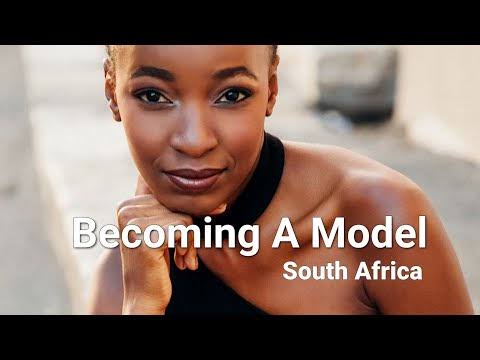
How To Become a Model in South Africa: A Comprehensive Guide
Introduction
The South African fashion industry is rapidly evolving, and it offers a dynamic, diverse environment for aspiring models. From the bustling streets of Johannesburg to the coastal beauty of Cape Town, the country is brimming with opportunities for those who wish to make a career in modeling. South Africa’s fashion scene is known for its creativity, inclusivity, and rapidly expanding reach on the global stage. With the fashion industry becoming increasingly diverse in terms of body types, gender, and ethnicity, this is an ideal time for newcomers to consider a career in modeling.
In this article, we will provide a detailed roadmap for anyone who wants to break into the modeling industry in South Africa. We will outline the necessary steps to build a successful modeling career, from developing a portfolio to finding representation, maintaining a professional presence, and navigating the challenges of the industry.
1. Understand the Modeling Industry
Before diving into the technicalities of becoming a model, it’s essential to first understand the modeling industry in South Africa. South Africa’s fashion scene is diverse, with influences ranging from African cultural aesthetics to international fashion trends. Major cities like Johannesburg and Cape Town serve as hubs for modeling, with numerous opportunities available in fashion, commercial, runway, and lifestyle modeling.
South Africa has a reputation for producing world-class talent that’s often seen on international runways, campaigns, and magazine covers. Some of the most successful models, such as Candice Swanepoel and Jo-Ann Strauss, have come from South Africa. This proves that the industry is not only thriving locally but also has a global presence.
However, before pursuing a modeling career, you should have a clear understanding of the various types of modeling that exist:
- Fashion Modeling: This category is further divided into runway, editorial, and high-fashion. These models typically have a tall, lean physique.
- Commercial Modeling: Models in this category are used for advertising purposes and can come in all shapes, sizes, and ages.
- Plus-Size Modeling: This is a growing area within the modeling industry that embraces models who do not fit the traditional “runway” look.
- Fitness Modeling: Models specializing in fitness and sportswear brands fall into this category.
- Glamour and Lingerie Modeling: Focused on beauty, sensuality, and style, this category includes models who may pose in swimwear or lingerie.
Knowing which category you’d like to focus on will help you make better decisions as you proceed with your career.
2. Build Your Modeling Portfolio
In the modeling industry, your portfolio is your visual resume. It is one of the most important tools for showcasing your potential to agents, photographers, and clients. Building a strong portfolio will require both time and effort, but it’s the first step to getting noticed.
There are two primary types of portfolios you will need to develop:
2.1 Traditional Portfolio (Physical Book)
Although much of the modeling world has shifted to digital, a traditional portfolio still holds value. A hard-copy portfolio will typically contain high-quality prints of your best photos, along with a brief introduction to who you are as a model. This portfolio is often presented during in-person meetings or castings. It is essential to include variety in your portfolio to show that you are versatile—different poses, expressions, and outfits will give potential agents and clients a clear understanding of your abilities.
2.2 Online Portfolio (Digital Presence)
In today’s digital age, having an online portfolio is absolutely necessary. A professional website or social media presence can make a world of difference. Instagram, for example, has become an essential platform for aspiring models, as it allows agents, brands, and potential collaborators to see your work and personality in real time.
An online portfolio should include:
- High-Quality Images: Ensure that your photos are professional, with a variety of poses and outfits.
- A Well-Written Bio: This should include key information about you—your experience, interests, and modeling specialties.
- Regular Updates: Your online portfolio should reflect your latest work, so update it regularly as you gain more experience.
- Social Media: Be sure to use Instagram, Facebook, and other platforms to build your presence, but keep your profile professional.
2.3 Tips for Building a Portfolio
- Invest in a Professional Photographer: Your first few shots may be from a photographer you hire, but make sure to work with experienced professionals who can guide you through the shoot.
- Start with TFP (Trade for Print) Shoots: If you don’t have a lot of experience, consider collaborating with photographers in exchange for the images they take. This can help you get the right kind of photos for your portfolio.
- Avoid Overloading Your Portfolio: Don’t overwhelm your portfolio with too many images. Quality is far more important than quantity. Choose your best shots and make sure they show diversity in your work.
3. Find a Modeling Agency
One of the most important steps in launching your modeling career in South Africa is finding a reputable agency that can guide you and help you find jobs. Modeling agencies act as intermediaries between you and potential clients, helping you navigate contracts, photo shoots, and job opportunities.
3.1 Research Reputable Agencies
There are several well-known modeling agencies in South Africa, including:
- Models International: With offices in Cape Town and Johannesburg, they are one of the top agencies in the country.
- Ice Model Management: Based in Johannesburg, Ice Model Management is recognized for representing both local and international models.
- The Model Workshop: Located in Cape Town, this agency is renowned for nurturing talent and developing young models.
Before you sign with any agency, do thorough research to ensure they have a good reputation. Look for agencies that represent models in your category and check out their client list, previous work, and reviews from other models.
3.2 Submit Your Portfolio
Once you’ve identified an agency, submit your portfolio and application according to their specific guidelines. Typically, agencies will want to see a headshot, a full-body shot, and a brief bio. They may ask for specific measurements (height, weight, dress size) to determine if you fit their roster.
3.3 Attend Open Calls
Many agencies host open calls where aspiring models can meet agents, get feedback, and potentially be signed on the spot. Make sure to attend these calls, dressed in simple attire with minimal makeup, so agents can see your natural beauty.
4. Get Scouted
In addition to seeking representation through agencies, you can also get scouted directly. Many agents actively search for fresh faces in places like shopping malls, airports, and public events. Social media is another key platform for scouts to find new talent, especially on Instagram.
4.1 Be Cautious
While getting scouted can be an exciting opportunity, be cautious about who contacts you. Not every person who approaches you will have your best interests at heart. Make sure to do your research on anyone who reaches out, especially if they claim to be a scout or agent.
4.2 How to Use Instagram to Get Noticed
Instagram is the perfect platform for aspiring models to showcase their work and gain exposure. Here are a few tips:
- Post High-Quality Photos: Use professional-looking photos to stand out.
- Use Relevant Hashtags: This will help your posts get discovered by the right people.
- Engage with Industry Professionals: Like, comment, and engage with photographers, agencies, and other models.
- Be Consistent: Regular posting and updates will help you maintain a strong presence.
5. Perfect Your Posing Skills
Modeling is not just about looking good in photos; it’s about knowing how to pose and convey emotion. Posing is a skill that must be honed over time. Here are some tips to help you improve your posing skills:
5.1 Practice in Front of a Mirror
One of the easiest ways to perfect your poses is by practicing in front of a mirror. Learn your angles and how to position your body in a way that flatters you.
5.2 Study Other Models
Look at professional models and how they pose in photos and videos. Note their posture, expressions, and how they use their body in various settings.
5.3 Take Direction Well
During shoots, photographers will often guide you on how to position your body and face. It’s essential to be receptive to their instructions, as they know how to get the best shot.
5.4 Stay Natural
While posing is important, it’s equally vital to stay natural and relaxed. The best photos often come from a moment of spontaneity.
6. Take Care of Your Appearance
Modeling demands a lot of attention to personal grooming and self-care. Whether you are a fashion model or a commercial model, it’s important to maintain a healthy lifestyle, take care of your skin, hair, and nails, and remain fit and healthy.
6.1 Skin Care
Invest in a good skincare routine, especially since your skin will be the focus of many photoshoots. Keeping your skin healthy and blemish-free will improve your chances of being hired for high-end campaigns.
6.2 Hair Care
Your hair is another crucial part of your appearance. Regular maintenance and healthy hair practices will ensure that you’re always camera-ready.
6.3 Exercise and Diet
While the industry has become more inclusive, maintaining a healthy body is still important. Regular exercise and a balanced diet will help you stay in shape and maintain a healthy lifestyle.
7. Keep Pushing Forward
Success in modeling doesn’t happen overnight. The industry is highly competitive, and rejection is a common part of the journey. Persistence, determination, and hard work are essential for anyone who wants to make it in the modeling