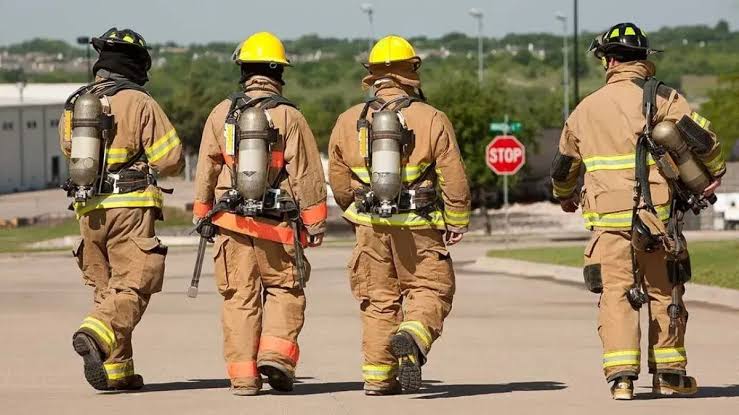
Fire Fighter Learnership 2026
Introduction
For many young South Africans, building a career in emergency services is both a dream and a calling. Firefighters play a critical role in protecting lives, safeguarding property, and responding to dangerous situations that threaten communities and businesses. If you have always been interested in serving others, working in high-pressure environments, and developing specialized emergency response skills, the Sasol Junior Fire Fighter Learnership 2026 could be the ideal opportunity to begin your journey.
This learnership offers practical workplace experience, structured training, and exposure to one of South Africa’s leading energy and chemical companies. Through this programme, successful applicants will receive valuable training that equips them with the knowledge and skills needed to operate within professional firefighting and emergency response environments.
Based in Secunda, Mpumalanga, the programme provides learners with the chance to develop technical firefighting abilities while learning about safety management, risk control, emergency preparedness, rescue operations, and incident response procedures. Participants will gain hands-on experience while working alongside experienced professionals who are responsible for protecting people, facilities, and industrial operations.
The closing date for applications is 13 March 2026, making it important for interested candidates to submit their applications before the deadline.
About Sasol
Sasol is one of South Africa’s most recognized industrial organizations and has built a reputation for innovation, operational excellence, and employee development over many decades.
Founded more than seventy-five years ago, Sasol has grown into a global company operating in various countries across the world. The organization specializes in energy and chemical production and continues to invest heavily in technology, sustainability, and skills development.
The company recognizes that its success depends largely on its workforce. As a result, Sasol places significant emphasis on employee training, career growth, and professional development. Through learnerships, internships, graduate programmes, and workplace training initiatives, the company helps young people gain valuable industry experience.
The Junior Fire Fighter Learnership forms part of these efforts by creating opportunities for aspiring emergency response professionals to develop their capabilities within a structured learning environment.
Understanding the Junior Fire Fighter Learnership
The Junior Fire Fighter Learnership is a workplace-based training programme designed to prepare individuals for careers within firefighting and emergency services.
Unlike traditional classroom education, a learnership combines theoretical instruction with practical workplace exposure. Participants learn essential concepts while simultaneously applying those skills in real-life situations.
The programme aims to produce competent individuals capable of:
- Responding to fire emergencies
- Conducting rescue operations
- Supporting disaster management efforts
- Protecting industrial facilities
- Assisting during hazardous incidents
- Promoting workplace safety
- Maintaining emergency response readiness
Learners gain exposure to various aspects of fire protection and emergency management, allowing them to develop a broad understanding of the profession.
Learnership Details
Position
Junior Fire Fighter Learnership
Company
Sasol
Location
Secunda, Mpumalanga
Department
Regional Operations and Asset Services
Job Requisition ID
11590
Application Closing Date
13 March 2026
Appointments may be made at different levels ranging from Fire Fighter in Training to Leading Fire Fighter depending on an applicant’s qualifications, previous training, certifications, and experience.
Why Firefighting Matters
Firefighters perform much more than extinguishing fires. Their responsibilities extend to a wide range of emergency situations that require technical expertise, quick thinking, and teamwork.
In industrial environments such as Sasol’s operations, firefighters play a particularly important role because of the complex nature of chemical processing and energy production activities.
A single emergency can potentially affect employees, facilities, surrounding communities, and the environment. Professional emergency response teams help minimize these risks by ensuring rapid and effective responses whenever incidents occur.
Their duties may involve:
- Fire suppression
- Rescue missions
- Hazardous material management
- Medical emergency support
- Environmental protection
- Disaster response
- Emergency planning
The Junior Fire Fighter Learnership introduces participants to these important responsibilities while preparing them for future careers in emergency services.
Purpose of the Programme
The primary objective of the learnership is to develop skilled individuals who can contribute to Sasol’s emergency response and safety management operations.
Participants are trained to support the company’s commitment to:
- Safety
- Health
- Environmental protection
- Risk management
- Quality assurance
These principles are often grouped under the term SHERQ, which forms a key part of industrial operations across South Africa.
By focusing on SHERQ standards, learners gain a comprehensive understanding of how emergency response supports broader organizational goals.
The programme helps ensure that future firefighters possess the necessary skills to respond effectively during emergencies while maintaining high professional standards.
Skills Learners Will Develop
The learnership is designed to equip participants with a wide range of technical and personal skills.
Fire Suppression Techniques
One of the core areas of training involves learning how to combat different types of fires.
Participants may learn:
- Fire behavior principles
- Fire classification systems
- Extinguishing methods
- Hose handling techniques
- Water supply operations
- Fire equipment usage
These skills form the foundation of firefighting practice.
Rescue Operations
Firefighters are frequently required to rescue people from dangerous situations.
Training may include:
- Confined space rescue
- Vehicle extrication
- Rope rescue techniques
- Search procedures
- Victim handling
- Evacuation strategies
Rescue skills can make a life-saving difference during emergencies.
Hazardous Materials Awareness
Industrial environments often involve chemicals and substances that require specialized handling.
Learners may gain knowledge in:
- Hazard identification
- Risk assessment
- Spill containment
- Chemical safety
- Protective equipment usage
- Emergency decontamination
Understanding hazardous materials is essential for industrial firefighting operations.
Emergency Communication
Effective communication can determine the success of an emergency response operation.
Participants may learn:
- Radio communication procedures
- Incident reporting
- Emergency coordination
- Information sharing
- Team communication strategies
Strong communication supports efficient and organized emergency management.
Physical Fitness Development
Firefighting is physically demanding.
Emergency responders often work in challenging environments while carrying heavy equipment and wearing protective gear.
The learnership encourages physical fitness through activities designed to improve:
- Strength
- Endurance
- Agility
- Stamina
- Coordination
Maintaining physical fitness is a key requirement for long-term success in firefighting careers.
A Day in the Life of a Junior Fire Fighter
Every day can be different for a firefighter.
One day may involve equipment inspections and training exercises, while another may require responding to an emergency incident.
Typical daily responsibilities may include:
Equipment Checks
Firefighters regularly inspect:
- Fire trucks
- Pumps
- Hoses
- Protective clothing
- Rescue equipment
- Communication devices
Equipment readiness is essential for emergency response effectiveness.
Training Sessions
Continuous learning remains an important part of firefighting.
Training activities may cover:
- Emergency drills
- Rescue simulations
- Safety procedures
- Fitness exercises
- Technical instruction
Emergency Response
When incidents occur, firefighters must react quickly and professionally.
Responses may include:
- Fire emergencies
- Hazardous material incidents
- Rescue operations
- Safety investigations
- Environmental emergencies
Administrative Duties
Firefighters also complete documentation and reporting tasks to ensure accurate recordkeeping and compliance with safety regulations.
Benefits of Joining the Programme
The Sasol Junior Fire Fighter Learnership offers numerous advantages.
Practical Industry Experience
Participants receive valuable workplace exposure that cannot be obtained through classroom learning alone.
Professional Training
Structured learning helps learners acquire specialized knowledge and industry-recognized skills.
Career Development
The programme provides a strong foundation for future employment opportunities in firefighting, emergency response, safety management, and industrial operations.
Exposure to Industry Experts
Learners work alongside experienced professionals who can provide mentorship and guidance.
Personal Growth
The programme helps individuals develop:
- Discipline
- Confidence
- Leadership skills
- Problem-solving abilities
- Teamwork capabilities
These qualities remain valuable throughout a person’s career.
Qualities of a Successful Firefighter
While technical skills can be taught, certain personal characteristics contribute significantly to success in the profession.
Successful firefighters often demonstrate:
Courage
Emergency situations require individuals who can remain effective under pressure.
Integrity
Trustworthiness and professionalism are essential.
Teamwork
Firefighters rely heavily on cooperation and coordination.
Discipline
Following procedures and maintaining standards is critical.
Commitment
Emergency services demand dedication and a strong work ethic.
Adaptability
Every emergency presents unique challenges.
The ability to adjust quickly is highly valuable.
Career Opportunities After Completing the Learnership
Completing a firefighting learnership can open doors to numerous career paths.
Possible opportunities include:
- Firefighter
- Industrial Firefighter
- Emergency Response Officer
- Rescue Technician
- Safety Officer
- Risk Management Assistant
- Emergency Services Coordinator
- Disaster Management Practitioner
- Occupational Health and Safety Professional
The skills gained during the programme are transferable across multiple industries, including mining, manufacturing, energy, petrochemicals, transportation, and public emergency services.
Conclusion
The Sasol Junior Fire Fighter Learnership 2026 presents an excellent opportunity for individuals who are passionate about emergency response, public safety, and professional development. Through a combination of practical training, workplace exposure, and mentorship, participants can build valuable skills that prepare them for rewarding careers within the firefighting and emergency services sector.
For motivated individuals who are willing to learn, work hard, and contribute to protecting people and critical infrastructure, this learnership offers a meaningful pathway into one of the most respected professions in the country.
Interested candidates should ensure that their applications are submitted before the closing date of 27 July 2026 to be considered for this exciting opportunity.