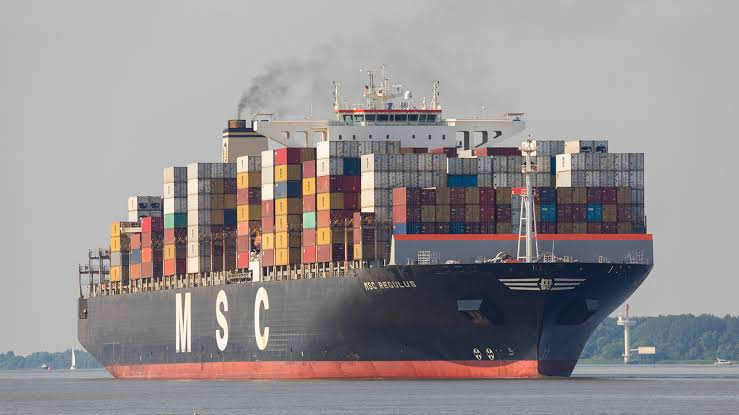
MSC Learnership Programme 2026: Complete Guide for South African Youth
Introduction
The maritime industry is one of the world’s most important economic sectors, connecting countries through international trade and supporting the movement of goods across continents. Every day, thousands of cargo vessels transport products such as food, clothing, electronics, machinery, vehicles, and medical supplies between ports around the globe. Behind these operations are skilled professionals working in shipping, freight forwarding, customs compliance, logistics, and international trade.
For young South Africans who dream of building a career in this exciting industry, the MSC Learnership Programme 2026 offers an excellent opportunity to gain practical workplace experience while studying towards nationally recognised qualifications. The programme combines structured classroom learning with real workplace exposure, helping participants develop the knowledge and skills required for successful careers in the maritime and logistics sectors.
The programme is aimed at young South Africans who are motivated, eager to learn, and ready to begin a professional journey in one of the fastest-growing industries in the world. Learners receive valuable training from experienced professionals while developing both technical and workplace skills.
Whether your career goal is to work in shipping, freight forwarding, customs compliance, international trade, logistics, supply chain management, or port operations, this learnership can provide an excellent foundation for long-term career growth.
About MSC
MSC Mediterranean Shipping Company is one of the world’s leading container shipping companies. The company operates an extensive international network, providing transport and logistics solutions to businesses across multiple continents.
Over many years, MSC has established itself as a trusted provider of shipping services through continuous investment in innovation, technology, customer service, and operational excellence. Its services support international trade by moving millions of containers safely and efficiently between countries.
The company operates in numerous sectors including:
- Ocean freight
- Inland transportation
- Logistics
- Warehousing
- Customs solutions
- International trade
- Supply chain services
- Cargo management
- Shipping operations
MSC believes that investing in young people helps strengthen the future workforce. Through its learnership programmes, the company creates opportunities for unemployed youth to gain recognised qualifications while receiving valuable workplace experience.
MSC Learnership Programme 2026 Overview
The MSC Learnership Programme 2026 has been designed to equip young South Africans with both academic knowledge and practical workplace skills.
Unlike traditional classroom education, a learnership combines formal study with hands-on work experience. Learners spend time completing structured learning modules while also gaining practical exposure in a professional business environment.
This balanced approach enables participants to understand both the theoretical and practical aspects of the maritime and logistics industries.
Programme Information
Company: MSC
Programme: Learnership Programme 2026
Reference Number: req4293
Industry: Maritime, Shipping and Freight
Application Method: Online
Application Closing Date: Not specified
Learnership Locations
The programme is available in several South African cities where MSC operates.
Successful applicants may be placed in one of the following locations:
- Durban
- Johannesburg
- Pretoria
- Port Elizabeth
Each learner must complete the programme in the region where they are placed. Transfers between regions during the learnership are generally not permitted, so applicants should carefully consider the location before accepting an offer.
Each regional office offers valuable exposure to shipping and logistics operations while providing learners with opportunities to work alongside experienced professionals.
Why Choose a Career in the Maritime Industry?
Many people think the maritime industry only involves ships and ports. In reality, it is much broader and includes numerous career opportunities across logistics, supply chain management, international trade, customs, finance, customer service, administration, warehousing, procurement, and freight forwarding.
Every imported or exported product depends on professionals working behind the scenes to ensure goods move efficiently between countries.
As global trade continues to grow, the demand for skilled employees also increases.
This makes the maritime industry one of the most stable sectors for long-term career development.
Professionals in this industry often enjoy opportunities for career advancement, specialised training, international exposure, and continuous professional development.
Purpose of the Learnership
The primary goal of the programme is to bridge the gap between education and employment.
Many young graduates struggle to secure employment because employers require previous work experience.
MSC addresses this challenge by combining education with workplace learning.
Participants develop practical skills while studying towards nationally recognised qualifications.
Throughout the programme, learners gain experience in real business operations, preparing them for permanent employment within the logistics and shipping industries.
The programme also helps learners improve important workplace competencies including communication, teamwork, professionalism, customer service, problem-solving, planning, organisation, and computer literacy.
Three Structured Learning Phases
The MSC Learnership Programme consists of three carefully designed phases.
Each phase focuses on a different area of maritime and logistics operations.
Phase One
National Certificate in International Trade
The first phase introduces learners to international trade principles.
Topics may include:
- International business
- Import and export procedures
- Trade documentation
- Global supply chains
- Customer service
- Business communication
- Commercial documentation
- Trade regulations
- Shipping terminology
- Professional workplace practices
This qualification provides learners with a strong understanding of how international commerce operates.
Phase Two
National Certificate in Freight Forwarding and Customs Compliance
The second phase develops specialised knowledge in freight forwarding and customs administration.
Learners gain exposure to:
- Customs documentation
- Freight forwarding processes
- Cargo movement
- Import regulations
- Export regulations
- Customs compliance
- Shipping documentation
- Cargo tracking
- Risk management
- Logistics coordination
These skills are highly valued across logistics companies, freight forwarding businesses, shipping agencies, and customs environments.
Phase Three
Further Education and Training Certificate in Shipping
The final phase focuses specifically on shipping operations.
Learners study topics such as:
- Shipping administration
- Cargo operations
- Port procedures
- Maritime legislation
- Vessel operations
- Shipping documentation
- International shipping practices
- Customer relations
- Operational planning
- Quality management
By the end of this phase, learners possess a comprehensive understanding of shipping operations within the global logistics industry.
Duration of the Programme
Each phase runs for approximately twelve months.
The structured learning approach allows participants to gradually build their knowledge and practical skills over time.
Rather than rushing through training, learners have sufficient time to understand each module before progressing to the next qualification.
This gradual development prepares participants for increasingly responsible roles within the shipping and logistics industries.
Benefits of Joining the Programme
The MSC Learnership Programme offers numerous advantages.
Some of the key benefits include:
- Nationally recognised qualifications.
- Practical workplace experience.
- Professional mentoring.
- Exposure to international business.
- Monthly learner stipend.
- Study costs covered by the company.
- Opportunities for career growth.
- Improved employability.
- Development of professional skills.
- Exposure to experienced industry professionals.
- Strong foundation for future careers.
Learners also gain confidence by working in a professional environment where they learn business etiquette, teamwork, accountability, and time management.
Financial Support
One of the biggest advantages of participating in the programme is the financial assistance provided.
MSC covers the cost of the formal learning programme, allowing participants to focus on their studies without paying tuition fees associated with the learnership.
In addition, learners receive a monthly stipend to assist with basic living and transport expenses during the programme.
Depending on programme performance and the applicable criteria, participants may also qualify for an annual bonus based on attendance, successful completion of assessments, workplace conduct, and overall commitment to the programme.
This financial support helps make the opportunity more accessible to young South Africans who wish to gain skills while preparing for future employment.