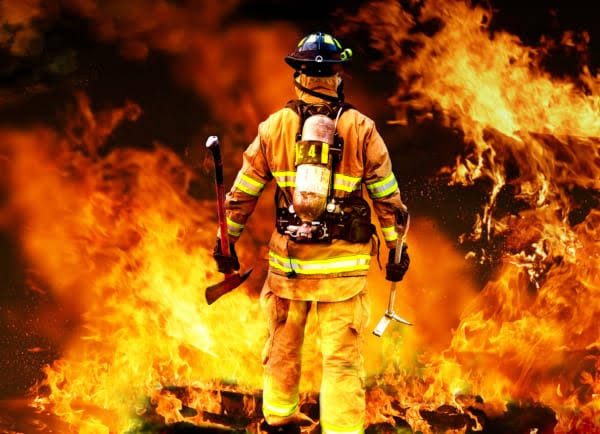
Comprehensive Overview of Firefighting Training, Safety Protocols, and Essential Qualifications
In any workplace, particularly in sectors where high-risk factors are prevalent, safety is of utmost importance. The role of firefighters extends far beyond responding to fires; it involves a comprehensive array of responsibilities designed to safeguard lives, property, and the environment. As such, the training, qualifications, and core competencies required for effective firefighting are not only extensive but also critical in ensuring both the firefighter’s safety and the overall protection of society.
This article explores the vital components of firefighting, from training drills to the skills and knowledge needed to handle fires and emergencies effectively. We will cover key areas such as the necessary qualifications, physical and mental competencies, equipment handling, and preventive safety measures that all firefighters must possess. These factors contribute to an efficient, proactive, and responsive firefighting team capable of managing any emergency situation.
Firefighting Training and Exercises
Firefighting is an inherently dangerous profession, and as such, it requires robust, continuous training. To prepare firefighters for the wide range of situations they will face, it’s crucial for them to engage in a variety of training exercises, both theoretical and practical.
1. Training Drills
Training drills form the foundation of firefighter preparedness. These drills typically simulate real-life scenarios, enabling firefighters to hone their skills in a controlled environment. They allow for familiarization with firefighting equipment, response strategies, and safe evacuation procedures. Drills also cover team coordination and leadership dynamics, ensuring that all team members know their roles and responsibilities when an emergency occurs.
Training drills can include:
- Fire Suppression Techniques: Firefighters practice extinguishing fires in different environments, such as residential, commercial, and industrial settings.
- Rescue Operations: Practicing rescue techniques is critical, as firefighters need to be capable of rescuing individuals from burning buildings, hazardous situations, or collapsed structures.
- Hazardous Materials Handling: Since many fires involve hazardous materials, specialized drills are focused on safely containing and neutralizing chemical, biological, or radioactive threats.
2. Simulation Exercises
Simulation exercises are often conducted in conjunction with training drills to create an immersive environment that mirrors actual emergencies. These exercises are essential in enhancing firefighters’ ability to think critically, act quickly, and make decisions under pressure.
Key simulation exercises include:
- Search and Rescue Operations: Firefighters search for and rescue victims in a smoke-filled or dark environment. These scenarios mimic real-world conditions and teach firefighters how to work in limited visibility.
- Disaster Response Simulations: These exercises simulate large-scale emergencies, such as earthquakes, chemical spills, or major industrial accidents, requiring coordinated responses from multiple agencies.
3. Physical Fitness Training
The physical demands of firefighting cannot be overstated. Firefighters must maintain a high level of physical fitness to perform their duties effectively. Physical fitness training focuses on strength, stamina, flexibility, and cardiovascular health. Firefighting requires carrying heavy equipment, climbing ladders, entering confined spaces, and performing rescues, all of which are physically demanding.
Fitness training programs typically include:
- Cardiovascular Endurance: Running, cycling, and swimming help build endurance for prolonged physical activity during fire-related operations.
- Strength Training: Firefighters need strong muscles to carry heavy tools, drag hoses, and rescue individuals.
- Flexibility and Agility: Firefighting often requires quick reflexes and the ability to move through tight spaces.
Maintaining fitness is crucial for both the safety of the firefighter and the successful completion of their duties in a high-pressure environment.
Fire Prevention, Safety Inspections, and Corrective Actions
Firefighting is not just about responding to fires; it’s also about preventing them and ensuring that workplaces and public spaces are safe. A firefighter’s responsibilities extend to inspecting safety measures, implementing fire prevention protocols, and advising on corrective actions to mitigate risks.
1. Fire Prevention Protocols
Preventing fires is as important as fighting them. Fire prevention involves identifying potential hazards and taking appropriate action to eliminate or mitigate those risks. Firefighters are trained to recognize fire hazards in both residential and commercial settings, including:
- Electrical Hazards: Faulty wiring or overloaded circuits can easily lead to fires. Firefighters are trained to spot these hazards and advise on corrective actions.
- Flammable Materials: Proper storage and handling of flammable liquids and gases are crucial to fire safety. Firefighters ensure that these materials are stored according to safety standards.
- Building Design: Older buildings may have fire risks due to outdated materials or lack of fireproofing. Firefighters assess building structures for safety compliance.
2. Health and Safety Inspections
Firefighters are also responsible for conducting regular health and safety inspections. This includes ensuring that:
- Fire Extinguishers and Equipment: Firefighting tools and fire extinguishers are in working order. Routine checks ensure that fire extinguishers are accessible and fully charged.
- Exit Routes and Emergency Procedures: Firefighters check that emergency exits are unobstructed, and emergency evacuation procedures are clearly marked and communicated to employees and residents.
- Smoke Detectors and Sprinkler Systems: Firefighters inspect smoke detectors and sprinkler systems to ensure they are functional and up to code.
These safety checks are crucial in reducing fire risks and ensuring that any fire that does occur can be quickly contained and extinguished.
3. Corrective Actions
When fire hazards are identified, firefighters advise on corrective actions. These can include:
- Upgrading or Replacing Faulty Equipment: If firefighting equipment is found to be defective, it must be repaired or replaced.
- Recommending Policy Changes: Firefighters may advise companies or institutions on adjusting their safety policies or fire response plans to better protect their premises.
Operational Readiness and Equipment Maintenance
For firefighters to perform their duties effectively, they must ensure that all fire suppression equipment and vehicles are in working order. This includes performing basic maintenance tasks on firefighting tools, vehicles, and other essential equipment.
1. Vehicle and Equipment Maintenance
Fire trucks, ambulances, and other emergency vehicles need to be maintained to ensure they are always ready for action. Firefighters are often responsible for routine maintenance, which may include:
- Oil and Fluid Checks: Ensuring that all vehicles have sufficient oil, water, and fuel to operate without interruption.
- Tire Inspections and Replacements: Ensuring that tires are in good condition for emergency responses.
- Equipment Inspections: Firefighters regularly check hoses, nozzles, pumps, and other firefighting tools to ensure they are functioning correctly.
2. Cleaning and Testing of Equipment
Firefighting equipment must be cleaned and tested regularly to ensure it is operational when needed most. This includes:
- Cleaning Hoses and Nozzles: Fire hoses and nozzles are cleaned after each use to prevent blockages or wear.
- Testing Pumps and Sprinklers: Firefighters regularly test pumps and sprinkler systems to ensure they are capable of operating under pressure.
3. Maintaining Log Records
Proper documentation is essential in firefighting. Firefighters are responsible for completing computerized occurrence logs, recording the details of daily incidents and actions taken. This data helps in tracking performance, identifying areas for improvement, and maintaining legal compliance.
Qualifications, Experience, and Competencies
To ensure that firefighters are fully equipped to perform their duties, certain qualifications and competencies are required. These qualifications are critical for ensuring that only highly trained, knowledgeable individuals are responsible for fire safety.
1. Educational and Certification Requirements
The minimum educational requirement for a firefighter is a Grade 12 school qualification, as it provides the basic knowledge needed for further specialized training. However, additional certifications are essential, including:
- IFSAC Accredited Certification: This certification ensures that a firefighter has met international standards for training and skills.
- NFPA 1001 Firefighter II Certification: This globally recognized certification indicates that a firefighter is trained to handle various fire scenarios, including hazardous materials and specialized rescue operations.
2. Experience Requirements
A minimum of two years of related experience is necessary to work effectively as a firefighter. This experience ensures that individuals have practical exposure to various firefighting scenarios and have had time to develop essential skills.
3. Physical and Mental Fitness
Firefighting requires both physical and mental fitness. Firefighters must be able to react quickly and efficiently to emergencies, requiring sharp decision-making skills, the ability to stay calm under pressure, and a high level of physical endurance.
4. Specialized Knowledge and Skills
In addition to general firefighting skills, specialized knowledge is essential for ensuring effective emergency responses:
- Hazmat (Hazardous Materials) Experience: Firefighters must understand the handling and containment of hazardous materials to safely respond to chemical, biological, or radioactive incidents.
- EMT and First Aid Certifications: Firefighters are often the first responders in medical emergencies, so certifications in emergency medical care are essential.
- Driving and Vehicle Operation: Firefighters are often required to drive emergency vehicles, so advanced driving skills are important, especially in high-pressure situations.
5. Core Competencies
Some core competencies are needed to function effectively as a firefighter:
- Strong Communication Skills: Effective communication is critical in emergency situations. Firefighters must communicate clearly with team members, victims, and other emergency responders.
- Understanding Fire Prevention Procedures: A deep understanding of fire prevention is necessary to prevent fires before they start.
- Security Awareness: Firefighters must be aware of security guidelines and how to protect both people and property during an emergency.
Conclusion
Firefighting is a multifaceted profession requiring a diverse range of skills, training, and qualifications. From engaging in regular drills and simulations to maintaining equipment readiness and performing safety inspections, firefighters are always preparing to respond to emergencies.
The training programs, certifications, physical fitness, and core competencies required for effective firefighting ensure that individuals