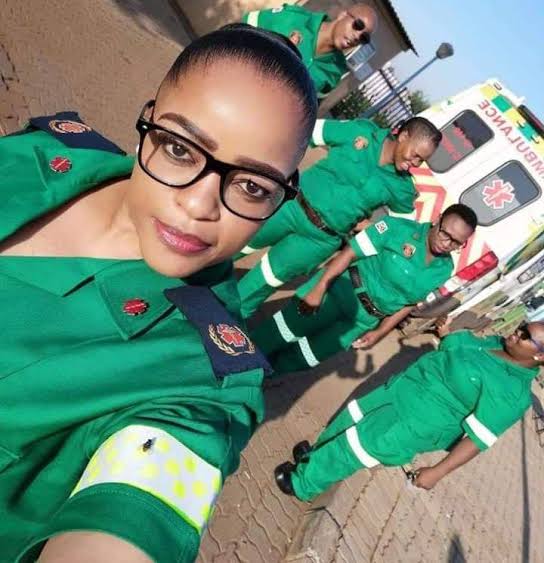
The Vital Role of the Ambulance Assistant: A Comprehensive Overview
In the dynamic and often high-pressure realm of emergency medical services, the ambulance assistant stands as a crucial cornerstone. These dedicated individuals, sometimes referred to as ambulance workers or patient transport officers, form an integral part of the pre-hospital care system, providing essential support to paramedics and ultimately contributing to the well-being of individuals facing medical crises. While there might be discussions about evolving job titles within the profession, the fundamental responsibilities and the profound impact of these professionals remain unwavering.
At its core, the role of an ambulance assistant revolves around aiding paramedics in the delivery of immediate healthcare to patients who are grappling with injuries, illnesses, infirmities, or various physical and mental impairments. This assistance is rendered both at the scene of an emergency and during the critical phase of transportation to medical facilities. The nature of their work demands a unique blend of medical knowledge, practical skills, and a deeply ingrained sense of compassion and responsibility.
To effectively fulfill their duties, ambulance assistants undergo formal training that equips them with the necessary expertise in emergency medical treatment protocols, the principles and practices of patient transport, and a comprehensive understanding of ambulance operations. This rigorous training ensures that they are prepared to handle a wide spectrum of medical situations with competence and confidence.
Within the broader category of ambulance assistants, there are different levels of qualification, each with a specific scope of practice. Two prominent levels in South Africa are the Basic Ambulance Assistant (BAA) and the Ambulance Emergency Assistant (AEA).
The Basic Ambulance Assistant (BAA): Providing Foundational Emergency Care
The Basic Ambulance Assistant serves as the first responder in many emergency scenarios, providing crucial initial care. Their training focuses on fundamental life-saving interventions, including:
- Cardiopulmonary Resuscitation (CPR): The ability to initiate and maintain CPR is paramount in cases of cardiac arrest, providing a lifeline until more advanced medical help arrives.
- Hemorrhage Control: Effectively stopping bleeding through various techniques is vital in trauma situations to prevent life-threatening blood loss.
- Assisting Women in Labour: BAAs are trained to provide support and assistance during childbirth emergencies that occur outside of a medical facility.
The BAA plays a vital role in stabilizing patients and preparing them for safe transfer to a healthcare facility. Their presence on the scene can significantly impact patient outcomes by providing immediate care in critical moments.
The Ambulance Emergency Assistant (AEA): Expanding the Scope of Pre-Hospital Care
Building upon the foundation laid by the BAA, the Ambulance Emergency Assistant possesses a more advanced skillset, enabling them to provide a wider range of medical interventions. In addition to the competencies of a BAA, AEAs are trained in procedures such as:
- Intravenous (IV) Therapy: Administering fluids and medications directly into a patient’s bloodstream to address dehydration, electrolyte imbalances, and deliver necessary drugs.
- Bronchodilator Administration: Providing relief to patients experiencing respiratory distress, such as asthma attacks or chronic obstructive pulmonary disease exacerbations, by administering medications that open up the airways.
- Defibrillation: Using specialized equipment to deliver controlled electrical shocks to the heart in cases of certain life-threatening arrhythmias, aiming to restore a normal heart rhythm.
- Chest Decompression: Performing a procedure to relieve pressure buildup in the chest cavity, which can occur in conditions like tension pneumothorax and can severely compromise breathing and circulation.
The enhanced skills of the AEA allow for more advanced medical care to be initiated at the scene and continued during transport, potentially improving patient outcomes in complex and critical situations.
Essential Qualities of an Effective Ambulance Assistant
Beyond the formal medical training, certain personal attributes are crucial for success in this demanding yet rewarding profession. Individuals drawn to this field often possess a strong intrinsic motivation to help others and exhibit qualities such as:
- Compassion and Empathy: The ability to understand and share the feelings of patients and their families during times of crisis is paramount. A caring and empathetic approach can provide significant emotional support.
- Integrity and Honesty: Maintaining ethical conduct and being truthful in all interactions are fundamental to building trust with patients, colleagues, and the wider community.
- Composure Under Pressure: Emergency situations are often characterized by urgency and stress. The ability to remain calm and think clearly under pressure is essential for making sound decisions and providing effective care.
- Confidence: A sense of self-assurance in one’s skills and abilities allows ambulance assistants to act decisively and effectively in critical moments.
- Discipline: Adherence to protocols, procedures, and professional standards is vital for ensuring patient safety and maintaining the integrity of the service.
- Effective Communication: Clear and concise communication with patients, family members, paramedics, and other healthcare professionals is crucial for conveying information, providing reassurance, and ensuring seamless teamwork.
- Multitasking Proficiency: Often, ambulance assistants need to manage multiple tasks simultaneously, such as monitoring vital signs, assisting with procedures, and communicating with dispatch.
- Teamwork Orientation: Emergency medical care is a collaborative effort. The ability to work effectively as part of a team, supporting paramedics and other colleagues, is essential for optimal patient care.
- Physical Fitness and Stamina: The job can be physically demanding, requiring strength for lifting and moving patients and stamina for enduring long shifts and physically taxing situations.
- Well-Developed Stress Management Skills: Exposure to traumatic events and high-pressure situations can take an emotional toll. Effective coping mechanisms are essential for maintaining personal well-being and professional longevity.
- Excellent Problem-Solving Abilities: Each emergency presents unique challenges. The ability to assess situations quickly, identify problems, and implement effective solutions is critical.
The Multifaceted Responsibilities of an Ambulance Assistant
The duties of an ambulance assistant extend beyond direct patient care and encompass a range of responsibilities that contribute to the overall effectiveness of emergency medical services. These include:
- Assisting Paramedics: This is the core function, involving providing support during all aspects of patient assessment, treatment, and transport.
- Assessing Health Status: At the scene of emergencies, ambulance assistants play a vital role in gathering information about the patient’s condition, including vital signs and the nature of their illness or injury.
- Responding to Diverse Emergencies: Their work takes them to a wide array of situations, including accidents, natural disasters, and other events requiring immediate medical attention.
- Providing On-Site Support at Public Events: Ambulance assistants are often present at large gatherings to provide immediate care for any medical emergencies that may arise.
- Continuous Patient Monitoring: During transport, they diligently monitor patients’ vital signs and any changes in their condition, providing crucial information to the receiving medical facility.
- Performing Medical Procedures and Administering Therapies: Under the direction of paramedics or within their scope of practice, they perform various medical procedures and administer prescribed medications and therapies.
- Resuscitation and Life Support: BAAs and AEAs are trained to perform resuscitation techniques, including CPR, and operate essential life-support equipment.
- Community Education: Some ambulance assistants participate in providing first aid training and health information to community groups and essential service workers, promoting preparedness and safety.
- Maintaining Records: Accurate and detailed documentation of patient conditions, treatments provided, and observations made is crucial for continuity of care and legal purposes.
Embarking on the Path to Becoming an Ambulance Assistant
For individuals interested in pursuing this vital career path in South Africa, the specific entry requirements and training pathways vary depending on the desired level of qualification.
Becoming a Basic Ambulance Assistant (BAA):
The initial steps to becoming a BAA typically involve:
- Matriculation (Grade 12): A high school diploma is a standard prerequisite.
- Code 10 Driver’s License: The ability to drive an ambulance is essential for the role.
- Basic Life Support (BLS) Training: A short, intensive training course, typically lasting 4-6 weeks, provides the foundational knowledge and skills in basic life support techniques.
- Practical Training: Following the BLS course, a period of practical, on-the-job training, usually around six months, allows trainees to apply their skills under the supervision of experienced professionals.
Becoming an Ambulance Emergency Assistant (AEA):
To progress to the AEA level, individuals typically need to:
- Pass a Pre-Course Examination: This assessment evaluates their existing knowledge and aptitude for the more advanced training.
- Complete an ILS (Intermediate Life Support) Course: This comprehensive training program usually spans around four months and builds upon the BLS foundation, introducing more advanced medical procedures and pharmacological interventions.
- Accumulate Operational Experience: A significant period of practical experience as a BAA, often around 1000 operational hours, is required to gain the necessary real-world exposure before commencing AEA training.
- Meet all other BAA Requirements: AEA candidates must also fulfill the standard requirements for BAAs, such as holding a valid matric certificate and a Code 10 driver’s license.
Registration with the Health Professions Council of South Africa (HPCSA):
Crucially, upon successful completion of the required training and examinations for either BAA or AEA, individuals must register with the Health Professions Council of South Africa (HPCSA) before they are legally permitted to practice. The HPCSA is the regulatory body that ensures healthcare professionals meet the necessary standards of competence and ethical conduct.
Navigating Training Providers:
It is essential for prospective ambulance assistants to be diligent when selecting a training provider. The HPCSA maintains a list of accredited training institutions. Individuals should verify that any course they consider is recognized by the HPCSA to ensure that their qualification will be valid for registration. Be wary of institutions offering job titles that are not recognized by the HPCSA, as these may not lead to legitimate registration and the ability to practice.
Further Career Advancement: The Path to Emergency Care Practitioner
For those seeking to advance their careers further within the emergency medical services, becoming an Emergency Care Practitioner (ECP) represents a significant step. This typically involves pursuing a Bachelor of Emergency Medical Care degree from a recognized university, such as the Cape Peninsula University of Technology.
The pathway to becoming an ECP generally involves:
- Completing a Bachelor of Emergency Medical Care Degree: This comprehensive academic program provides in-depth knowledge of emergency medical science, clinical skills, and patient management.
- Registering as an Emergency Care Practitioner with the HPCSA: Upon successful completion of the degree, graduates are eligible to register with the HPCSA as professional Emergency Care Practitioners.
This advanced qualification allows individuals to function at a higher level of clinical autonomy, providing advanced medical interventions and assuming greater responsibility in emergency medical situations.
Accredited Training Institutions Across South Africa:
Numerous institutions across South Africa offer training programs for aspiring ambulance assistants and emergency care practitioners. These include:
Gauteng:
- Action Training Academy
- Ambusave Academy
- COJEMS Training Academy
- Florida Park Fire Station
- Critical Care Academy
- De Vries Ambulance Academy
- Ehlile College of Emergency Care
- ER 24
- Global Emergency Technologies
- Human Emergency Life Programme (Gauteng) T/A H.E.L.P
- IET Fire Rescue and EMS Academy
- Impact Emergency Technologies
- Lebone College of Emergency Care
- Netcare 911 School of Emergency and Critical Care
- North West Private Ambulance Training College
- Rescu-Life Africa
- School for Military Health Training (SAMHS)
- SRQ Ambulance
Mpumalanga:
- Emergency and Health Care Training Academy (EHCTA)
- Mpumalanga Ambulance Training College
- Netcare 911 School of Emergency and Critical Care
North West:
- Bokone Bophirima Ambulance Training College
- Mankwe Ambulance Training Centre
- North West Province Emergency Medical Rescue Services College
- Tshedimosetso Trauma Training Ambulance Academy
Limpopo:
- Bokamoso PreHospital Academy
- Ingozi
- Limpopo College of Emergency Care
Free State:
- Central University of Technology (CUT)
- Golden Hour Ambulance Academy
- Impact Emergency Technologies
KwaZulu-Natal:
- Academy of Emergency Medical Training (AEMT)
- Action Training Academy
- Africa Medical College of Emergency Care
- KwaZulu Private Emergency Care Training Academy (KPECTA)
- Meditrax Academy
- Netcare 911 School of Emergency and Critical Care
- Sharaj Training Services
- St John Ambulance Foundation
Northern Cape:
- Northern Cape Emergency Medical Service Training College
Eastern Cape:
- Eastern Cape Ambulance Training College (ECATC)
- Goodsam Training
- Mary Grace Ambulance Academy
- The Academy of Dynamic Emergency Training
Western Cape:
- Ambutek
- Cape Peninsula University of Technology (CPUT)
- Provincial Government of the Western Cape College of Emergency Care (PGWC)
- St John Ambulance Training Centre
This list provides a starting point for individuals seeking accredited training programs in their respective provinces. It is always advisable to contact the institutions directly for the most up-to-date information on course offerings, admission requirements, and fees.
Conclusion: The Enduring Significance of Ambulance Assistants
In conclusion, the ambulance assistant, whether known as a BAA or AEA, plays an indispensable role in the delivery of timely and effective pre-hospital emergency medical care. Their dedication, skills, and compassionate approach are critical in stabilizing patients, providing essential treatment, and ensuring safe transportation to medical facilities. While the specific job titles may evolve over time, the fundamental responsibilities and the profound impact these individuals have on the lives of those in need remain constant. For those possessing the requisite qualities and a desire to make a tangible difference in their communities, a career as an ambulance assistant offers a challenging yet deeply rewarding path within the vital field of emergency medical services. The journey requires commitment to rigorous training and a dedication to continuous learning, but the opportunity to be a lifeline in moments of crisis is an unparalleled reward.