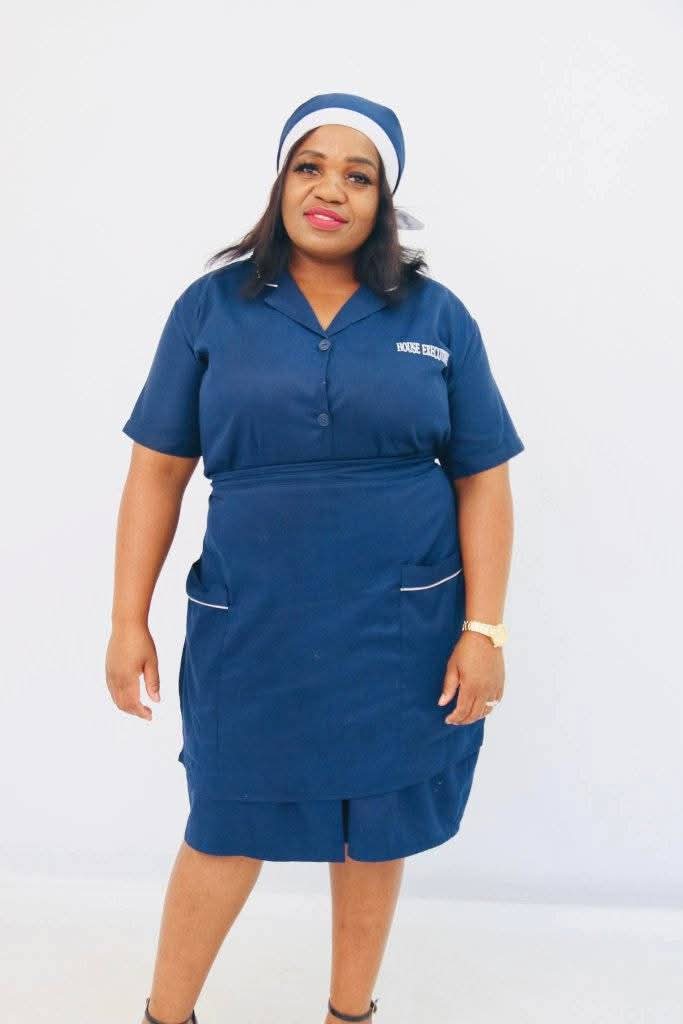
Understanding the Hospital Cleaner Role: More Than Just a Mop and Bucket
The role of a hospital cleaner, or environmental services technician, is a vital and often-underestimated part of the healthcare system. It goes far beyond general tidiness; it is a critical component of infection control and patient safety. A hospital cleaner’s work directly impacts the health and well-being of patients, staff, and visitors. The job demands a keen eye for detail, a strong work ethic, and an understanding of specific cleaning protocols.
Deciphering the DMC Hospital Cleaner Job Description
The job listing for a “Hospital Cleaner (JHB)” at DMC provides a clear outline of the required qualifications, duties, and work environment. Let’s break down the key points:
- Requirements:
- Education: A minimum of Grade 10 is required. While this is a basic educational level, it indicates the need for fundamental literacy and numeracy skills to follow instructions and safety protocols.
- Experience: A minimum of one year of proven experience in a “formal clinical environment” is essential. This is not just any cleaning experience; it specifically calls for familiarity with the unique demands of a healthcare setting. The mention of “most recent hospital/clinical cleaning experience” being an “added advantage” further emphasizes the importance of direct, relevant experience. This suggests the employer is looking for someone who understands concepts like cross-contamination, proper use of disinfectants, and the sensitive nature of working in patient-care areas.
- Duties: The list of duties is comprehensive and highlights the diverse nature of the role:
- Routine and Specialized Cleaning: This includes everything from general tidying to more technical tasks like “strip and seal vinyl floors” and “scrubbing tiled floors.”
- Infection Control: The mention of “Terminal cleaning of infectious areas” is a critical point. This duty requires specialized knowledge and strict adherence to protocols to prevent the spread of pathogens.
- Waste Management: “Removal of general waste in designated areas” is another crucial task related to hygiene and safety.
- Flexibility and Adaptability: The job requires physical stamina (“Cope with physical demands of the work individually or in a team”), and a willingness to be “rotated to different areas” and work “shift work including night duty, public holidays and weekends.” This underscores the 24/7 nature of a hospital environment.
How to Craft a Compelling Application
When applying for this or a similar position, your application materials should reflect a deep understanding of the job’s requirements and a genuine commitment to the healthcare environment.
- Tailor Your Resume: Do not use a generic resume. Highlight any cleaning experience you have, but specifically emphasize any time you have spent in a hospital, clinic, nursing home, or similar medical facility. Use action verbs to describe your past duties, such as “Disinfected operating rooms,” “Managed waste disposal,” or “Maintained sterile environments.” If you have any certifications related to cleaning or infection control, be sure to include them.
- Write a Strong Cover Letter: Even if a cover letter is not explicitly required, it’s a good idea to write one. Use this opportunity to connect your experience directly to the job description. For example, you can write: “My one year of experience as a cleaner at [Previous Hospital Name] has provided me with hands-on experience in terminal cleaning of infectious areas and the proper use of heavy-duty cleaning equipment, as outlined in your job description.” Express your understanding of the importance of the role in patient care and your willingness to work flexible hours.
- Prepare for the Interview: If you are selected for an interview, be ready to discuss your experience in detail. The interviewer may ask questions like:
- “Tell me about your experience with hospital-grade cleaning products.”
- “How do you handle cleaning a room after a patient with an infectious disease has been discharged?”
- “Describe a time you had to work as part of a team to complete a large cleaning task.”
- “Are you comfortable with working night shifts and weekends?”
By demonstrating that you understand the nuances of the role—not just the physical work, but also the critical link between cleaning and patient safety—you can significantly increase your chances of being a successful candidate for this essential position