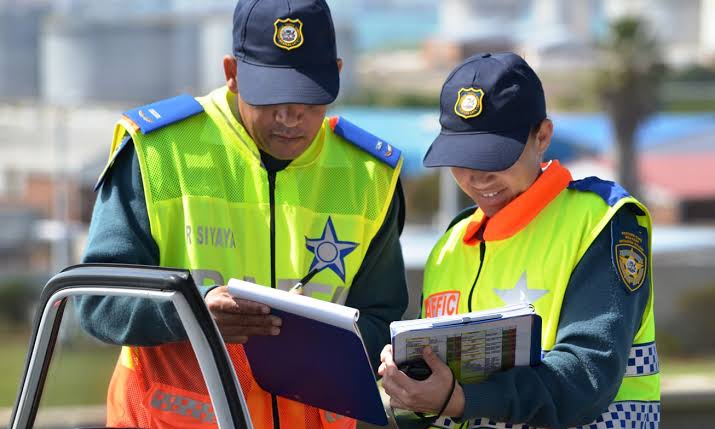
The Limpopo Traffic Officer Learnership Programme and Its Impact on Youth Empowerment
In a significant move aimed at combating unemployment and enhancing road safety, the Limpopo Department of Transport and Community Safety launched a transformative initiative: the Traffic Learner Officer Learnership Programme. This comprehensive, year-long training scheme was specifically designed to equip 154 young, unemployed South African citizens residing in the province with the skills and qualifications necessary to become fully certified Traffic Officers. More than just a job training program, this learnership represented a critical investment in the future of Limpopo, addressing a pressing need for skilled personnel while simultaneously providing a tangible career path for its youth.
This initiative, which commenced in late 2025, served as a vital bridge between unemployment and professional life. It offered a structured pathway for aspiring individuals to gain not only a nationally recognized qualification but also the practical experience required to excel in the demanding field of road traffic management. The program’s design was meticulous, combining intensive theoretical instruction with real-world, on-the-job training. This dual-focus approach ensured that successful candidates were not only knowledgeable about traffic laws and regulations but were also proficient in their practical application, from conducting roadside inspections to managing accident scenes.
A Holistic Approach to Training and Development
The core of the Traffic Learner Officer Learnership lay in its holistic curriculum. The 12-month program was carefully structured to cover all facets of a Traffic Officer’s duties. Participants were immersed in a rigorous academic schedule that included modules on South African road traffic legislation, vehicle safety standards, accident investigation protocols, and public safety management. This theoretical component was complemented by extensive practical training. Learners gained hands-on experience in a variety of scenarios, from issuing fines and directing traffic to conducting routine vehicle checks and interacting with the public.
This blend of academic and practical learning was crucial. It ensured that graduates were well-rounded professionals capable of handling the diverse challenges of the job. They were trained to be both enforcement agents and community educators, promoting road safety through proactive engagement. The program also instilled a strong sense of professionalism and discipline, essential qualities for anyone entrusted with upholding the law.
The Financial and Personal Benefits of Participation
Participation in the learnership offered a number of significant benefits that went beyond mere professional development. The program provided a substantial financial lifeline to its participants in the form of a monthly stipend. This allowance, which was calculated to be approximately R67,676 over the course of the year, was a crucial form of support. It helped learners cover their daily living expenses, such as transportation and meals, allowing them to focus fully on their training without the added stress of financial hardship. This stipend also served as an acknowledgment of their commitment and hard work throughout the rigorous program.
Perhaps the most profound benefit was the career opportunity it presented. Upon successful completion of the learnership, participants received a qualification registered on the National Qualifications Framework (NQF), a hallmark of a high-quality, standardized education. This qualification not only enhanced their immediate employment prospects within the Limpopo Department of Transport but also provided them with a valuable credential recognized across South Africa. The learnership was explicitly designed to address the skills deficit within the Department, meaning that successful graduates were in a prime position to secure permanent employment as Traffic Officers, a pathway to a stable and meaningful career in public service.
A Glimpse into the Selection Process
The process for selecting the 154 successful candidates was rigorous and multi-faceted, designed to identify individuals with the right combination of aptitude, character, and physical fitness. The initial call for applications was highly competitive, attracting thousands of hopefuls. To be considered, applicants had to meet a strict set of non-negotiable criteria.
First and foremost, candidates had to be unemployed South African citizens between the ages of 18 and 35. This age range was strategically chosen to target the demographic most affected by youth unemployment. A minimum educational requirement of a Grade 12 Certificate was essential, ensuring that applicants possessed the foundational academic skills needed for the theoretical aspects of the training.
In addition to academic qualifications, practical requirements were equally important. A valid Code B manual transmission driver’s license was mandatory, as driving is a fundamental part of a Traffic Officer’s daily duties. Physical fitness was also a critical criterion. Applicants were required to provide a medical certificate confirming their ability to perform strenuous physical tasks. This was not merely a formality; the job of a Traffic Officer can be physically demanding, involving long hours on one’s feet, managing accident scenes, and sometimes, pursuing suspects.
The selection process was a series of filters. After the initial screening of applications to ensure all requirements were met, a limited number of candidates were shortlisted. These individuals then underwent a more intensive evaluation, which included interviews and thorough background checks. The suitability checks were comprehensive, covering everything from the verification of qualifications and personal references to criminal record checks and security vetting. The department’s commitment to selecting individuals of high integrity was clear, with some sources indicating that visible tattoos were also a disqualifying factor, reflecting the formal and disciplined nature of the role.
The Application Journey: A Guide for Aspiring Officers
The application process itself was a testament to the structured and professional nature of the learnership. Aspiring Traffic Officers were required to navigate a precise and well-defined procedure. The first step was to obtain the official Z83 application form, a standard document for all government job applications in South Africa. This form had to be meticulously completed and signed.
Alongside the Z83, candidates were required to submit a detailed Curriculum Vitae (CV) and certified copies of their key documents: their Grade 12 certificate, South African ID, and driver’s license. The medical certificate attesting to their fitness was also a mandatory part of the application package. This emphasis on certified copies was a measure to prevent fraudulent applications and ensure the authenticity of the documents.
The submission process was equally specific. While hand-delivered applications were accepted, the Limpopo Department of Transport and Community Safety also encouraged submissions via their e-recruitment system or through postal services. Crucially, the department made it clear that applications sent via fax or email would not be considered, a policy designed to streamline the administrative process and prevent a deluge of unmanageable submissions. Candidates were also required to include the correct reference number for the learnership on their application, a small but vital detail that ensured their documents were correctly routed and considered.
A Lasting Legacy: The Impact on Limpopo’s Future
The Traffic Learner Officer Learnership was more than a temporary solution to unemployment; it was a long-term investment in the safety and well-being of the Limpopo province. By training 154 new officers, the department significantly boosted its capacity to enforce road traffic laws, which is a direct factor in reducing accidents and fatalities. With South Africa having one of the highest road accident rates in the world, initiatives like this are not just about creating jobs—they are about saving lives.
Furthermore, the program empowered the youth of Limpopo, providing them with skills and a career path that would otherwise be inaccessible. It offered a sense of purpose and stability, transforming unemployed individuals into key contributors to their communities. As these new officers take to the roads, they will not only be enforcing the law but also serving as role models, demonstrating what can be achieved through dedication, discipline, and hard work. The legacy of the 2025 Traffic Learnership will be seen not only in safer roads but also in the hundreds of lives it touched and transformed, paving the way for a more secure and prosperous future for the province