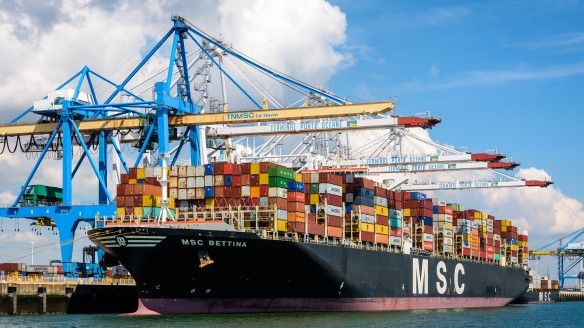
MSC Learnership 2026: Maritime Training Opportunity With a R4,000 Monthly Stipend for South African Youth
Finding a first opportunity in the job market can be difficult for many young South Africans. A large number of young people complete school or even post-school studies and still struggle to find practical work experience. Many employers prefer applicants with experience, but getting experience is often impossible without first being given a chance. This challenge creates a cycle that leaves many young people searching for opportunities that can help them build skills and gain exposure to real working environments.
Learnership programmes continue to play an important role in helping address this problem. They combine structured learning with workplace exposure, giving participants the chance to develop practical abilities while also receiving formal training. For many unemployed youth, learnerships become a stepping stone into industries that may otherwise seem difficult to enter.
The MSC Learnership 2026 programme presents an opportunity for unemployed youth who want to enter the maritime, transport and logistics environment. Through this programme, successful applicants receive practical workplace learning, subsidised education, nationally recognised qualifications and a monthly stipend of approximately R4,000.
The maritime and logistics industry is one of the sectors that quietly supports economies around the world. Every day, ships transport goods across oceans, bringing products into countries and exporting goods to international markets. Behind every shipment is a large network of people involved in planning, operations, administration, customer support, logistics and transportation.
For young people interested in becoming part of this important sector, the MSC Learnership may provide a valuable starting point.
Understanding MSC and Its Role in Global Trade
MSC is recognised internationally as one of the major organisations involved in shipping and logistics services. Maritime transport plays a major role in connecting countries and supporting economic activity across the globe.
When products move from one country to another, several processes happen behind the scenes. Goods must be transported, tracked, documented and delivered safely and efficiently. The logistics industry ensures that these processes happen smoothly.
Examples of products moved through shipping and logistics systems include:
- Food products
- Vehicles
- Clothing and textiles
- Building materials
- Electronics
- Industrial equipment
- Medical supplies
- Consumer goods
Without logistics systems, businesses would struggle to operate effectively.
Because of this, industries continue to require trained individuals who understand transport systems, customer requirements and supply chain operations.
The MSC Learnership aims to introduce young people to this working environment while helping them gain practical knowledge.
What Is a Learnership?
Many people hear the word “learnership” but may not fully understand what it involves.
A learnership is a structured programme that combines classroom learning with practical workplace experience.
Participants do not simply attend classes and write tests. They also gain exposure to real working situations where they can apply what they learn.
The purpose of a learnership includes:
- Developing practical skills
- Building workplace experience
- Improving employability
- Providing industry knowledge
- Helping participants gain recognised qualifications
Learnerships often focus on preparing participants for future employment opportunities within a specific industry.
Instead of only studying theory, learners become familiar with how workplaces operate.
Why Learnerships Matter for Young South Africans
South Africa continues to face youth unemployment challenges. Many young people leave school with ambitions and goals but struggle to find opportunities that allow them to start building careers.
Some common difficulties include:
Lack of work experience
Employers frequently ask for previous experience, even for entry-level roles.
Limited professional exposure
Young people may not have opportunities to understand workplace expectations.
Financial barriers
Further studies can be expensive, making it difficult for some individuals to continue their education.
Skills gaps
Industries often require specialised knowledge and practical abilities.
Learnership programmes help reduce these challenges because they create a bridge between education and employment.
Instead of requiring extensive experience, many programmes focus on potential and willingness to learn.
Overview of the MSC Learnership 2026 Programme
The MSC Learnership programme is designed to provide learners with practical exposure within the maritime and logistics field.
The programme reportedly includes several important benefits:
Monthly stipend
Learners may receive approximately R4,000 per month to help support transportation and daily expenses during the programme.
Fully funded learning
Participants may receive subsidised educational support as part of the programme structure.
Workplace exposure
Learners gain practical experience in real working environments.
Recognised qualifications
Training is designed to contribute toward recognised learning outcomes.
Industry experience
Participants receive exposure to logistics and maritime operations.
Understanding the Three Learning Phases
The programme may be structured around different learning phases designed to gradually build competence and confidence.
Phase One: Foundation Learning
The first stage often focuses on introducing learners to basic concepts and workplace preparation.
Topics may include:
- Communication skills
- Workplace behaviour
- Professional conduct
- Basic business principles
- Introduction to logistics
- Computer literacy
- Administration skills
This phase helps learners build confidence before moving into more specialised learning.
Phase Two: Industry Knowledge Development
During the second stage, learners may begin focusing more directly on the maritime and logistics sector.
Possible learning areas include:
- Supply chain concepts
- Transport systems
- Shipping processes
- Customer service
- Documentation procedures
- Business communication
- Safety principles
Participants begin understanding how the industry operates.
Phase Three: Workplace Experience
The final stage generally focuses heavily on practical application.
Learners may:
- Participate in workplace activities
- Complete assignments
- Observe operational processes
- Work with experienced employees
- Gain practical exposure
Practical learning often helps learners understand how theoretical knowledge is used in real situations.
Skills Learners May Gain During the Programme
One of the most valuable aspects of a learnership is the development of transferable skills.
Transferable skills can be useful across multiple industries.
Examples include:
Communication skills
Learners may improve their ability to:
- Write emails
- communicate professionally
- participate in meetings
- assist customers
Teamwork
Many workplaces require employees to collaborate with others.
Participants may learn:
- cooperation
- conflict management
- supporting team goals
Time management
Meeting deadlines and organising tasks become important workplace skills.
Problem-solving abilities
Learners may encounter situations requiring practical solutions.
Administrative skills
Office environments often involve:
- filing systems
- data capture
- documentation
- record keeping
These skills can remain valuable throughout a person’s career.
Why Maritime and Logistics Careers Continue Growing
Global trade depends heavily on transport and logistics systems.
As economies continue evolving, demand for efficient movement of products remains important.
Areas linked to logistics include:
- Warehousing
- Supply chain management
- Distribution
- Freight services
- Customer support
- Procurement
- Shipping operations
- Transport planning
Because these functions support many industries, skills gained in logistics can sometimes create opportunities beyond the maritime sector itself.