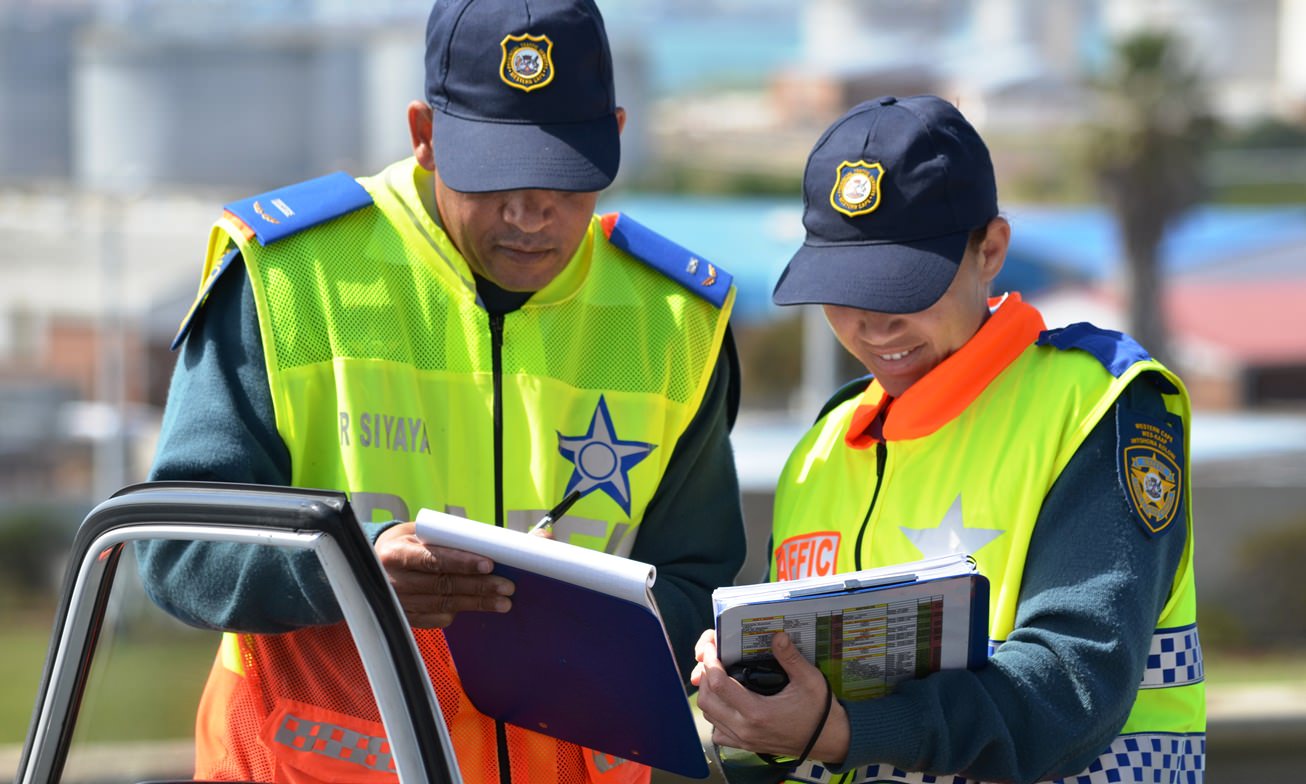
Traffic and Peace Officers Training Opportunities 2026: 24 Posts Available with a Monthly Stipend of R5 500
Introduction
Young South Africans continue to face significant challenges when it comes to finding employment and gaining practical workplace experience. Many talented and motivated young people complete their schooling but struggle to enter the job market because employers often require experience that they do not yet have. To help address this challenge, municipalities across the country frequently introduce training programmes designed to provide unemployed youth with valuable skills, workplace exposure, and opportunities for career development.
One such initiative is the Traffic and Peace Officers Training Programme offered by Mbhashe Local Municipality. The municipality has announced 24 training opportunities for qualifying candidates from local communities. Successful applicants will receive a monthly stipend of R5 500 while participating in a structured 12-month programme.
This initiative represents more than just temporary financial support. It provides an opportunity for participants to gain practical experience in public safety, law enforcement, traffic management, and municipal operations. For many young people, programmes such as these serve as a stepping stone toward long-term employment and professional growth.
Understanding the Programme
The Traffic and Peace Officers Training Programme is designed to equip participants with the knowledge, practical skills, and workplace experience required in the field of public safety and law enforcement. During the programme, trainees will be exposed to various aspects of municipal operations that contribute to maintaining law and order within communities.
The programme will run for a period of 12 months. During this time, participants will receive practical training and exposure to daily operations conducted by traffic officers and peace officers.
The monthly stipend of R5 500 is intended to assist trainees with transportation, meals, and other basic expenses while they complete the programme.
Importance of Traffic and Peace Officers
Traffic and Peace Officers play a critical role in ensuring the safety and well-being of communities. Their responsibilities extend beyond simply issuing fines or enforcing regulations.
They contribute to:
- Road safety enforcement
- Crime prevention initiatives
- Public awareness campaigns
- Community safety programmes
- Crowd control during events
- Monitoring compliance with municipal by-laws
- Assisting during emergencies
- Supporting law enforcement operations
Through their work, these officers help create safer environments for residents, businesses, and visitors.
Locations of the Training Programme
The available positions will be distributed across several areas within Mbhashe Local Municipality.
These locations include:
Dutywa
Dutywa serves as one of the municipality’s key administrative centres. Trainees placed in this area may gain exposure to municipal operations, traffic management activities, and community engagement programmes.
Willowvale
Willowvale offers trainees the opportunity to work within a diverse community environment where road safety and public compliance remain important priorities.
Elliotdale
Participants assigned to Elliotdale will gain practical experience while supporting efforts aimed at improving public safety and municipal service delivery.
The distribution of trainees across different areas helps ensure that local communities benefit from enhanced safety services while providing trainees with varied workplace experiences.
Benefits of Joining the Programme
Many young people focus primarily on the monthly stipend when considering training opportunities. While financial support is important, the long-term benefits of participating in such programmes can be even more valuable.
Workplace Experience
One of the greatest advantages is the opportunity to gain practical workplace experience. Employers frequently seek candidates who understand professional working environments.
Participants learn:
- Workplace discipline
- Communication skills
- Teamwork
- Professional conduct
- Problem-solving techniques
Skills Development
The programme provides exposure to essential skills that can be applied in various career paths.
Examples include:
- Conflict resolution
- Public interaction
- Report writing
- Observation skills
- Administrative procedures
- Safety management
Career Development
The training can serve as a foundation for careers in:
- Traffic law enforcement
- Municipal policing
- Public safety
- Security services
- Community safety departments
- Government administration
Networking Opportunities
Participants interact with experienced professionals and municipal officials who can provide guidance, mentorship, and career advice.
Improved Employability
Employers often prefer candidates who have completed structured training programmes because it demonstrates commitment, discipline, and practical experience.
Who Should Apply?
The programme is particularly suitable for unemployed youth who are interested in public service and community development.
Ideal candidates typically possess:
- Strong communication skills
- A willingness to learn
- Respect for rules and regulations
- Commitment to public service
- Good interpersonal skills
- Ability to work under pressure
- Positive attitude
Applicants should also demonstrate integrity, responsibility, and a desire to contribute positively to their communities.
Typical Responsibilities During Training
Although trainees are still learning, they may be exposed to a variety of practical activities.
These may include:
Traffic Monitoring
Trainees may assist with monitoring traffic flow and observing road user behaviour.
Community Engagement
Public education campaigns help inform residents about road safety and compliance with municipal regulations.
Administrative Duties
Participants may assist with record keeping, filing, reporting, and documentation.
Public Safety Support
Trainees can gain exposure to initiatives designed to improve community safety.
Event Management
Municipal events often require traffic control and crowd management support.
The Value of Public Safety Careers
Public safety careers remain among the most important professions within society. Communities rely on trained officers to help maintain order, enforce regulations, and support public welfare.
Individuals who pursue careers in this field often find satisfaction in knowing that their work contributes directly to improving the lives of others.
Benefits of public safety careers may include:
- Job stability
- Career advancement opportunities
- Professional development
- Community impact
- Valuable transferable skills
Professional Qualities Needed
Success in public safety roles requires a combination of technical knowledge and personal qualities.
Important attributes include:
Integrity
Officers must act honestly and ethically at all times.
Accountability
Taking responsibility for actions and decisions is essential.
Respect
Treating members of the public fairly and respectfully promotes trust.
Discipline
Public safety roles require adherence to procedures and regulations.
Communication Skills
Officers regularly interact with diverse groups of people.
Physical Fitness
Many law enforcement and safety-related positions require a reasonable level of physical fitness.
How Training Supports Community Development
Community development involves creating safer, healthier, and more productive environments for residents.
Traffic and Peace Officers contribute to these goals by:
- Promoting road safety
- Reducing accidents
- Encouraging compliance with regulations
- Supporting crime prevention initiatives
- Assisting vulnerable community members
- Improving public confidence in local government
The training programme therefore benefits not only participants but also the wider community.
Preparing for the Application Process
Candidates interested in opportunities of this nature should ensure they prepare thoroughly.
Helpful steps include:
Updating Your CV
A professional curriculum vitae should highlight:
- Educational qualifications
- Skills
- Volunteer work
- Community involvement
- Relevant experience
Gathering Supporting Documents
Applicants should ensure required documents are current and accessible.
Practising Interview Skills
Confidence and preparation can significantly improve interview performance.
Researching the Municipality
Understanding the municipality’s services and priorities demonstrates genuine interest.
Maximising the Opportunity
Successful candidates should approach the programme with dedication and enthusiasm.
To make the most of the experience:
- Attend all training sessions
- Be punctual
- Ask questions
- Seek feedback
- Maintain professionalism
- Build positive relationships
- Take initiative
- Keep learning
These habits can leave a positive impression on supervisors and colleagues.
Future Career Opportunities
Upon completing the programme, participants may be better positioned to pursue opportunities such as:
- Traffic Officer positions
- Peace Officer roles
- Municipal Law Enforcement
- Security Officer positions
- Public Safety Administration
- Community Safety Programmes
- Government internships
- Further training opportunities
The skills acquired can also be useful in private-sector employment.
Challenges and Growth Opportunities
Every training programme comes with challenges. Participants may encounter situations that test their patience, adaptability, and problem-solving abilities.
These challenges often become valuable learning experiences that contribute to personal and professional growth.
By overcoming obstacles, trainees develop resilience and confidence that can benefit them throughout their careers.
Conclusion
The Mbhashe Local Municipality Traffic and Peace Officers Training Programme represents an important opportunity for unemployed youth seeking workplace experience and career development. With 24 available positions and a monthly stipend of R5 500, the initiative offers participants a chance to gain practical skills, professional exposure, and valuable insight into public safety and municipal operations.
Beyond the financial support, the programme provides a pathway toward future employment opportunities while helping communities benefit from improved safety and service delivery. For young people who are passionate about serving the public, promoting safety, and building meaningful careers, this training opportunity could serve as an important first step toward a brighter future.
Applicants who meet the requirements are encouraged to prepare their documents carefully and submit their applications before the closing date. Opportunities like these can open doors to long-term career growth, personal development, and meaningful contributions to society.