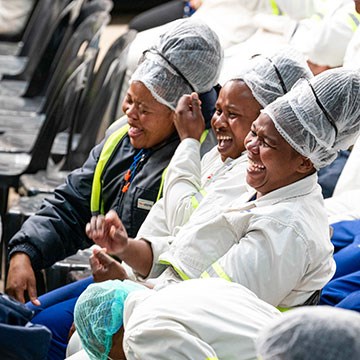
Woodlands Dairy 2026 Learnership Programme in Liquid Dairy Reception: A Complete Guide for Unemployed South African Youth
Introduction
South Africa’s agricultural and food manufacturing sectors continue to play an important role in creating employment opportunities for young people. Among the industries that contribute significantly to economic growth and skills development is the dairy industry. As consumer demand for quality dairy products continues to increase, companies require trained individuals who understand milk reception, food safety, dairy processing, and quality assurance procedures.
To help develop future talent and create employment opportunities for young South Africans, Woodlands Dairy has introduced the 2026 Learnership Programme in Liquid Dairy Reception. This programme is specifically designed for unemployed matriculants who are eager to gain practical skills and industry knowledge while building a foundation for a successful career in dairy processing and manufacturing.
The learnership provides participants with both theoretical and practical training over a period of twelve months. During this time, learners will gain valuable experience in milk reception processes, dairy operations, food safety procedures, cleaning systems, housekeeping standards, and various production-related activities.
For young people seeking their first step into the manufacturing and food production industry, this programme offers an excellent opportunity to acquire workplace experience and develop skills that can lead to future employment opportunities.
About Woodlands Dairy
Woodlands Dairy is one of South Africa’s leading dairy processing companies. Located in Humansdorp in the Eastern Cape, the company is recognized for producing high-quality dairy products that reach consumers across the country and beyond.
The organization has built a strong reputation for quality, innovation, food safety, and sustainable business practices. Through its investment in training and skills development initiatives, Woodlands Dairy demonstrates its commitment to empowering South African youth and contributing to workforce development.
The company’s learnership programmes form part of its broader strategy to develop skilled workers who can contribute positively to the dairy industry while improving their own economic prospects.
Understanding the Liquid Dairy Reception Learnership
The Liquid Dairy Reception Learnership is a structured training programme that combines classroom-based learning with practical workplace experience.
Unlike traditional academic courses, a learnership allows participants to apply theoretical knowledge directly in a working environment. This approach ensures that learners not only understand industry concepts but also gain hands-on experience performing real workplace tasks.
The programme focuses on the first stages of dairy processing, where raw milk is received, tested, handled, and prepared for further production processes.
Participants will learn about:
- Milk reception procedures
- Quality control principles
- Nature and composition of milk
- Food safety practices
- Housekeeping requirements
- Cleaning-In-Place (CIP) systems
- Cleaning-Out-of-Place (COP) systems
- Manufacturing support activities
- Workplace safety procedures
- Industry regulations and standards
By the end of the programme, learners will have developed practical competencies that can support future careers in dairy processing, food manufacturing, production operations, and quality assurance.
Why Learnerships Matter
South Africa continues to face challenges relating to youth unemployment. Many young people complete their schooling but struggle to find employment due to limited work experience.
Learnership programmes help bridge this gap by providing:
Practical Experience
Employers often prefer candidates who possess workplace experience. Learnerships allow participants to gain real-world exposure while learning industry-specific skills.
Industry Knowledge
Participants acquire technical knowledge relevant to their chosen field, making them more competitive in the job market.
Workplace Readiness
Learners develop professional behaviour, communication skills, teamwork abilities, and problem-solving competencies that employers value.
Improved Employability
Successful completion of a learnership can strengthen a candidate’s CV and improve future employment prospects.
Career Development
Many learners use learnerships as stepping stones toward permanent employment or further training opportunities.
Who Can Apply?
The Woodlands Dairy Learnership Programme is aimed at unemployed South African youth who meet the minimum requirements.
Eligible applicants must:
- Be South African citizens
- Be unemployed at the time of application
- Be between 18 and 29 years of age
- Have completed Matric (Grade 12)
- Be willing to participate in both theoretical and practical training
- Demonstrate an interest in dairy processing and manufacturing
One of the advantages of this programme is that previous work experience is not required. This makes it ideal for recent matriculants who are looking for their first opportunity to enter the workforce.
The Importance of Dairy Processing
The dairy industry forms an important part of South Africa’s agricultural economy. Milk and dairy products contribute significantly to food security, nutrition, employment creation, and economic development.
Dairy processing involves multiple stages, including:
- Milk collection
- Transportation
- Reception and testing
- Storage
- Processing
- Packaging
- Distribution
Each stage requires skilled workers who understand industry standards and food safety requirements.
Professionals working in dairy processing help ensure that consumers receive safe, nutritious, and high-quality products.
What Learners Will Study
Milk Reception
Milk reception is one of the most important stages in dairy processing.
Learners will gain an understanding of:
- Receiving raw milk deliveries
- Quality inspection procedures
- Sampling techniques
- Temperature monitoring
- Storage requirements
- Documentation processes
These skills are essential because the quality of incoming milk directly affects final product quality.
Nature of Milk
Understanding milk composition is critical in dairy production.
Topics may include:
- Milk components
- Nutritional value
- Physical characteristics
- Chemical properties
- Microbiological considerations
- Factors affecting milk quality
This knowledge helps learners understand why strict quality standards are necessary.
Food Safety
Food safety is a major focus within the dairy industry.
Learners will study:
- Food contamination risks
- Personal hygiene requirements
- Safe handling procedures
- Regulatory compliance
- Hazard prevention measures
- Quality assurance principles
Food safety knowledge helps protect both consumers and manufacturers.
Housekeeping
Maintaining clean production environments is essential in food manufacturing.
Training may include:
- Cleaning schedules
- Workplace organization
- Waste management
- Sanitation procedures
- Inspection processes
- Hygiene standards
Effective housekeeping contributes to workplace safety and product quality.
Cleaning-In-Place (CIP)
CIP systems are used extensively in dairy processing facilities.
Learners will gain exposure to:
- Automated cleaning systems
- Equipment sanitation
- Cleaning chemicals
- Monitoring procedures
- Verification processes
Understanding CIP systems is a valuable skill in modern manufacturing environments.
Cleaning-Out-of-Place (COP)
COP involves cleaning equipment components outside production systems.
Learners may study:
- Equipment disassembly
- Cleaning techniques
- Inspection procedures
- Reassembly requirements
- Maintenance support activities
These skills support equipment reliability and food safety compliance.
Benefits of Participating in the Programme
There are numerous advantages associated with participating in the Woodlands Dairy Learnership.
These include:
- Workplace experience
- Industry-specific training
- Skills development
- Exposure to manufacturing operations
- Increased employability
- Professional networking opportunities
- Career development prospects
- Enhanced confidence and workplace readiness
For many young people, a learnership serves as an important stepping stone toward long-term career success.
Career Opportunities After Completion
Upon successful completion of the programme, learners may pursue opportunities in various areas of the dairy and food manufacturing sectors.
Possible career paths include:
- Dairy Processing Assistant
- Production Operator
- Milk Reception Assistant
- Food Safety Assistant
- Quality Control Assistant
- Manufacturing Operator
- Processing Technician Assistant
- Production Support Worker
- Packaging Operations Assistant
- Warehouse and Distribution Support
The skills gained can also be transferred to other food manufacturing industries.
Conclusion
The Woodlands Dairy 2026 Learnership Programme in Liquid Dairy Reception represents an outstanding opportunity for unemployed South African youth seeking practical workplace experience and valuable industry knowledge.
Through a combination of classroom learning and hands-on training, participants will develop skills in milk reception, food safety, housekeeping, dairy processing, CIP systems, and workplace operations. These competencies can significantly improve employability and open doors to future career opportunities within the dairy and manufacturing sectors.
For motivated matriculants looking to build a strong foundation for their future, this learnership offers a meaningful pathway toward personal growth, skills development, and career advancement.