Firefighter II / Hazmat Emergency Response Officer: Roles, Responsibilities, Qualifications and Career Opportunities
Introduction
A Firefighter II / Hazmat Emergency Response Officer plays a critical role in protecting lives, property, and the environment from fire, hazardous materials, rescue emergencies, and other life-threatening incidents. This position demands exceptional physical fitness, technical expertise, sound decision-making abilities, and a commitment to public safety. Firefighters in this role are expected not only to respond to emergencies but also to maintain operational readiness, supervise personnel, ensure compliance with occupational health and safety standards, and participate in community education initiatives.
The position combines operational firefighting responsibilities with leadership, administration, emergency medical care, hazardous materials management, and equipment maintenance. Every shift requires dedication, discipline, andAccurate documentation is an essential aspect of emergency response operations. Firefighters are responsible for completing all required incident reports, inspection teamwork to ensure emergency services are delivered effectively and efficiently.
Key Responsibilities
Completion of Pro Forma Documentation
Accurate documentation is an essential aspect of emergency response operations. Firefighters are responsible for completing all required incident reports, inspection forms, maintenance records, training documentation, and departmental administrative paperwork. Proper documentation ensures legal compliance, operational accountability, and accurate record keeping.
Detailed reports assist management in evaluating emergency responses, identifying trends, improving procedures, and supporting future planning. Accurate documentation also contributes to insurance investigations, legal proceedings, and departmental audits.
Participation in Departmental Health and Safety Committee Meetings
Health and safety remain the foundation of every emergency service organisation. Firefighters are expected to actively participate in departmental Health and Safety Committee meetings to discuss workplace hazards, operational risks, accident prevention strategies, and improvements to existing safety protocols.
Participation includes:
Identifying workplace hazards
Reviewing incident investigations
Recommending safety improvements
Promoting a culture of workplace safety
Supporting compliance with Occupational Health and Safety legislation
Regular involvement in these meetings contributes to reducing injuries and improving operational effectiveness.
Driving and Operating Heavy and Extra Heavy Emergency Vehicles
Emergency response personnel are required to safely operate a wide range of specialised emergency vehicles under demanding conditions.
These may include:
Fire engines
Water tankers
Rescue vehicles
Hazmat response vehicles
Ladder trucks
Rapid intervention vehicles
Drivers must demonstrate advanced driving skills while navigating through heavy traffic, poor weather conditions, and hazardous environments. Safe driving practices are critical to protecting emergency crews and the public while ensuring rapid response to incidents.
Operating Rescue Equipment and Specialised Machinery
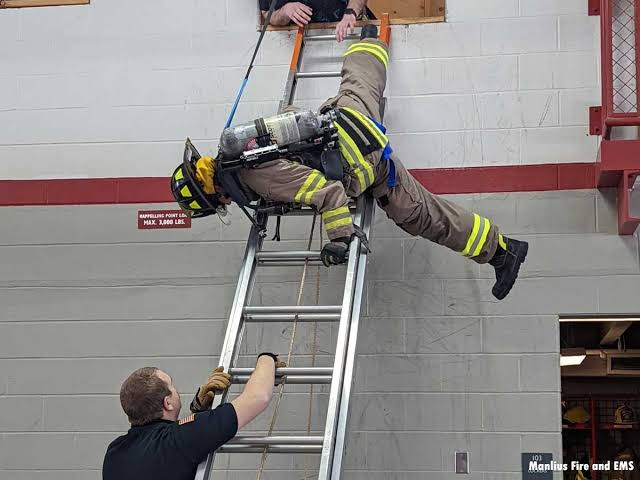
Firefighters are trained to operate advanced rescue equipment used during emergency incidents. This equipment enables emergency teams to rescue trapped victims, gain access to buildings, and perform technical rescue operations.
Examples include:
Hydraulic rescue tools
Vehicle extrication equipment
Elevated aerial platforms
Portable ladders
Rope rescue systems
Winches
Lifting airbags
Power saws
Ventilation equipment
Operators must follow strict safety procedures while using this specialised equipment to minimise risks during rescue operations.
Maintaining Operational Readiness
Operational readiness is one of the most important responsibilities of every firefighter. Fire apparatus, rescue equipment, personal protective equipment (PPE), and communication systems must remain fully functional and immediately available for deployment.
Daily readiness activities include:
Equipment inspections
Vehicle checks
Inventory control
Cleaning equipment
Testing emergency systems
Replacing damaged equipment
Reporting defects
Maintaining operational readiness ensures firefighters can respond quickly and safely during emergencies.
Fire Safety Training and Public Education
Modern firefighters are educators as well as emergency responders.
Responsibilities include assisting with:
Fire prevention programmes
Fire safety inspections
School awareness campaigns
Community education
Workplace fire safety training
Evacuation drills
Emergency preparedness exercises
Public education significantly reduces fire incidents and improves community resilience.
Occupational Health and Safety Responsibilities
Firefighters have a legal obligation to ensure compliance with the Occupational Health and Safety Act.
This includes:
Conducting workplace safety inspections
Monitoring hazards
Enforcing PPE usage
Promoting safe work practices
Investigating unsafe conditions
Ensuring compliance with departmental policies
Preventing workplace injuries
Shift supervisors play an important role in protecting personnel by ensuring every member follows approved operational procedures.
Equipment Maintenance Responsibilities
Firefighting equipment represents a significant investment and directly affects emergency response capabilities.
Personnel are expected to:
Perform routine inspections
Complete scheduled maintenance
Conduct basic repairs
Report major equipment failures
Ensure operational readiness
Minimise equipment downtime
Well-maintained equipment increases firefighter safety while reducing repair costs.
Administrative Responsibilities
Operational efficiency depends on accurate administration.
Administrative duties include:
Shift reports
Equipment registers
Maintenance records
Incident documentation
Personnel records
Daily activity reports
Operational statistics
These records assist management with planning, budgeting, legal compliance, and performance evaluation.
Supervisory Responsibilities
Experienced firefighters are expected to supervise junior personnel and coordinate operational activities during emergency incidents.
Leadership responsibilities include:
Supervising emergency operations
Delegating tasks
Monitoring performance
Coaching junior firefighters
Conducting briefings
Maintaining discipline
Promoting teamwork
Strong leadership improves operational effectiveness and enhances crew safety.
Required Qualifications
Applicants should possess the following qualifications:
Grade 12 (Matric) as the minimum educational qualification
IFSAC Accreditation
NFPA 1001 Firefighter II Certification
Firefighter II Certification
Firefighting training with a minimum of two to three years’ related experience
Valid Code C1 driver’s licence with Professional Driving Permit (PrDP)
Advanced emergency vehicle driving experience (advantageous)
Medically and physically fit
Knowledge of fire prevention procedures
Comprehensive understanding of firefighting systems
Clear criminal record
Ability to respond rapidly to emergency situations
Strong administration and communication skills
Hazmat experience and operational knowledge
Emergency Medical Technician (EMT) certification
First Aid Levels 1, 2 and 3
Basic Ambulance Attendant qualification
Essential Technical Knowledge
Successful candidates should possess knowledge of:
Fire behaviour
Fire chemistry
Fire classifications
Fire suppression systems
Rescue techniques
Hazardous materials response
Incident command systems
Emergency medical care
Vehicle rescue operations
Building construction
Risk assessment
Disaster management
Occupational health and safety legislation
Core Competencies
A successful Firefighter II demonstrates numerous professional competencies, including:
Communication Skills
Excellent verbal and written communication is essential when interacting with colleagues, emergency services, members of the public, and management.
Hazardous Materials Knowledge
Firefighters must understand hazardous materials classifications, identification methods, containment procedures, decontamination techniques, and emergency response protocols.
Security Industry Knowledge
Personnel should understand the standards, regulations, ethical requirements, and code of conduct governing the security and emergency services industry.
Firefighter Instructor Competence
Operational firefighters often assist with training junior personnel and conducting practical exercises. Understanding instructional methods enhances knowledge transfer and operational excellence.
Physical Requirements
Firefighting is physically demanding.
Personnel must possess:
Excellent cardiovascular fitness
Muscular strength
Endurance
Flexibility
Mental resilience
Emotional stability
Ability to work under pressure
Willingness to work shifts
Ability to perform in extreme weather conditions
Importance of Teamwork
Emergency response depends on teamwork. Firefighters must trust one another completely while operating in dangerous environments. Effective communication, coordination, mutual respect, and professionalism ensure successful incident outcomes.
Every crew member contributes to saving lives, protecting property, and safeguarding the environment.
Career Development Opportunities
This role provides opportunities for continuous professional growth through advanced training and specialist qualifications in:
Fire Investigation
Fire Prevention
Fire Safety Management
Technical Rescue
Rope Rescue
Urban Search and Rescue
Hazmat Specialist
Emergency Medical Services
Disaster Management
Fire Instructor Programmes
Emergency Vehicle Operations
Incident Command
Continuous learning enables firefighters to improve operational effectiveness and prepare for leadership positions.
Application Process
Interested candidates whose qualifications, experience, and competencies closely match the requirements are encouraged to submit a comprehensive curriculum vitae (CV) together with supporting documentation.
Applications should clearly demonstrate compliance with the required qualifications, certifications, licences, and relevant operational experience. Candidates are encouraged to ensure that all certifications remain valid and that their employment history accurately reflects their firefighting and emergency response experience.
In line with company policy, preference will be given to suitably qualified existing employees, with all appointments made strictly on merit. The organisation reserves the right not to fill the advertised position should no suitable candidate be identified.
Applicants who do not receive communication regarding their application within ten working days after the closing date should consider their application unsuccessful.
Conclusion
A Firefighter II / Hazmat Emergency Response Officer occupies one of the most demanding yet rewarding roles within emergency services. The position requires technical expertise, physical endurance, leadership ability, medical competence, and unwavering commitment to public safety. From responding to fires and hazardous materials incidents to conducting public education and maintaining emergency equipment, these professionals perform a wide range of critical duties that directly impact community safety.
Individuals who meet the required qualifications and possess a passion for serving others will find this career both challenging and deeply fulfilling. Through professionalism, continuous training, teamwork, and adherence to the highest safety standards, Firefighter II personnel contribute significantly to saving lives, protecting property, and strengthening emergency preparedness within the communities they serve.