Municipality EPWP Skilled Fire Fighters Vacancies 2026: Complete Guide for Young South Africans
Young people across South Africa continue searching for opportunities that can provide practical experience, income, and a pathway toward long-term employment. While many job seekers face challenges due to limited experience and scarce vacancies, government-supported programmes continue creating opportunities designed to help unemployed youth build workplace skills.
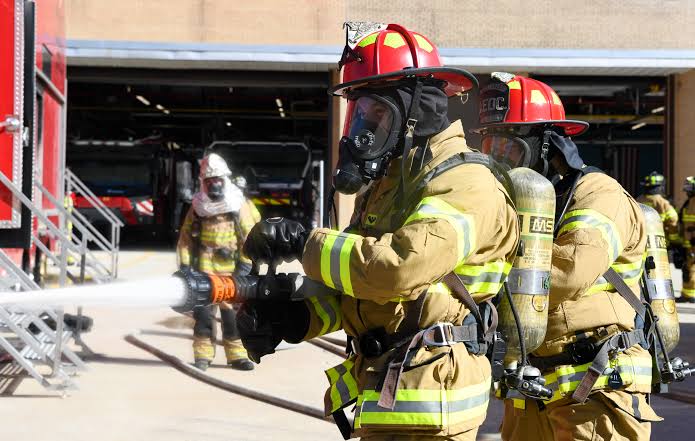
One such opportunity comes through the Expanded Public Works Programme (EPWP), where Polokwane Local Municipality has opened applications for Skilled Fire Fighter positions within Disaster Management and Fire Services. This recruitment process aims to provide employment opportunities to qualifying young South Africans while strengthening emergency response services within communities.
The programme presents more than a temporary job opportunity. It gives successful applicants exposure to important emergency services work, allowing them to gain practical experience within firefighting and disaster management environments. Candidates selected for these positions will become part of teams responsible for protecting communities, responding to emergencies, and helping reduce risks that affect lives and property.
For many young applicants, the attraction extends beyond the monthly income. Firefighting can open doors toward long-term careers in emergency services, rescue operations, disaster management, health and safety fields, and municipal services.
Position Information
The municipality has announced several positions under the EPWP initiative.
Position: EPWP Skilled Fire Fighters
Number of Posts: 19 Positions
Business Unit: Disaster Management and Fire Services
Contract Duration: 12 Months Fixed Contract
Monthly Salary: R7,500
Location: Polokwane
Province: Limpopo
Reference Number: EXT/25/26/129
Age Requirement: 18–35 years
The positions fall under the Expanded Public Works Programme, commonly referred to as EPWP.
Understanding the EPWP Programme
The Expanded Public Works Programme was established as a government initiative intended to create work opportunities and reduce unemployment. The programme focuses on temporary employment while helping individuals gain practical skills.
Unlike permanent employment positions that often require years of experience, EPWP opportunities are designed to assist unemployed individuals who may struggle entering the labour market.
The programme attempts to achieve several goals:
- Reduce unemployment
- Create work experience
- Build practical skills
- Increase workplace exposure
- Strengthen communities
- Improve service delivery
Municipalities across South Africa regularly participate in EPWP projects because they help communities while creating opportunities for residents.
In this case, the municipality intends strengthening emergency and disaster response systems.
Understanding the Role of Skilled Fire Fighters
Many people imagine firefighters spending most of their time putting out fires. However, the work extends far beyond simply responding to burning buildings.
Modern firefighters perform a wide range of responsibilities that include:
Emergency response
Firefighters respond to emergency situations involving:
- Structural fires
- Vehicle fires
- Industrial incidents
- Medical emergencies
- Hazardous situations
- Rescue operations
Rescue operations
Some incidents require technical rescue abilities such as:
- Vehicle accident rescues
- Trapped persons
- Flood rescue operations
- Height rescue situations
- Community emergency incidents
Community safety education
Fire services often educate communities about:
- Fire prevention
- Safety procedures
- Emergency planning
- Household risks
- Disaster preparedness
Disaster management support
Disaster management units work with multiple agencies during emergencies including:
- Floods
- Storm damage
- Community disasters
- Drought emergencies
- Large-scale incidents
Why Young People May Find This Opportunity Valuable
Youth unemployment remains one of South Africa’s major challenges.
Many vacancies require previous experience, but obtaining experience often becomes difficult without receiving an initial opportunity.
Programmes like this can help bridge that gap.
Benefits may include:
Monthly income
The advertised monthly amount of R7,500 may provide temporary financial relief while participants gain experience.
Workplace exposure
Participants can learn:
- Professional conduct
- Teamwork
- Communication
- Problem-solving
- Responsibility
Practical skills
Firefighting environments develop important skills that may later become useful in other industries.
Examples include:
- Safety awareness
- Emergency response procedures
- Physical discipline
- Risk assessment
- Public service skills
Career pathways
Experience gained may potentially support future applications in:
- Municipal emergency services
- Private safety sectors
- Rescue services
- Security industries
- Disaster management environments
Age Requirements
Applicants are expected to fall within the age category of:
18–35 years
Age requirements within youth programmes are generally introduced to ensure opportunities target unemployed young people.
Applicants should ensure they meet the specified age category before submitting applications.
Importance of Disaster Management Services
Communities rely heavily on emergency services.
When emergencies occur, response teams become critical for protecting lives and reducing damage.
Examples include:
- House fires
- Road accidents
- Dangerous weather conditions
- Community emergencies
- Rescue situations
Without properly trained personnel, response times may increase and risks can become greater.
This is why municipalities continue investing in emergency services departments.