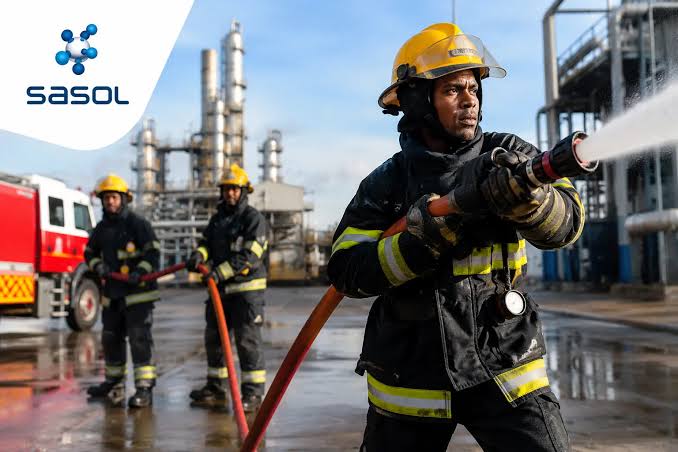
Sasol Fire Fighter Learnership 2026 Opens: Monthly R5,200 Stipend Available for South African Youth
Introduction
Young South Africans looking for an opportunity to build a meaningful career in emergency response and fire protection may find the Sasol Fire Fighter Learnership 2026 to be an excellent stepping stone. This learnership programme is designed to provide unemployed youth with valuable workplace experience, practical firefighting skills, and professional training within one of South Africa’s leading energy and chemical companies.
The programme offers participants the opportunity to gain hands-on experience while receiving a monthly stipend of approximately R5,200. Through structured learning and workplace exposure, learners can develop the knowledge and skills required to work in firefighting, rescue operations, emergency response, safety management, and related industries.
As industries continue to prioritize workplace safety and emergency preparedness, trained firefighters remain essential professionals. The Sasol Fire Fighter Learnership aims to equip young people with the competencies required to respond effectively to fire emergencies and safety incidents.
This article provides detailed information about the programme, its benefits, requirements, training structure, career opportunities, and tips for submitting a successful application.
About Sasol
Sasol is one of South Africa’s largest integrated energy and chemical companies. The company operates across multiple sectors, including mining, fuel production, chemical manufacturing, engineering, and industrial operations.
Safety remains a core priority throughout Sasol’s operations. Due to the nature of industrial facilities and manufacturing environments, highly trained emergency response teams play a crucial role in protecting employees, assets, and surrounding communities.
To strengthen future talent pipelines and support youth development, Sasol regularly introduces training programmes, internships, bursaries, and learnerships that create employment pathways for young South Africans.
The Fire Fighter Learnership forms part of these development initiatives.
Purpose of the Fire Fighter Learnership
The main objective of the programme is to provide unemployed youth with practical training and industry knowledge required to perform firefighting and emergency response duties.
Participants receive both classroom-based instruction and workplace experience. This combination allows learners to understand theoretical concepts while developing practical skills in real-life environments.
The programme aims to:
- Develop firefighting skills
- Improve emergency response readiness
- Build rescue operation capabilities
- Promote workplace safety awareness
- Create employment opportunities
- Equip youth with industry-recognized experience
- Strengthen community emergency preparedness
By the end of the learnership, participants should be capable of supporting emergency response teams and contributing to safer workplaces and communities.
Monthly Stipend
One of the attractive features of the programme is the monthly stipend.
Monthly Stipend:
Approximately R5,200 per month
The stipend is intended to help learners cover basic expenses such as:
- Transportation
- Meals
- Personal costs
- Communication expenses
- Learning materials
Although the stipend is not considered a salary, it provides financial support throughout the training period.
Duration of the Programme
The Fire Fighter Learnership is generally structured over a fixed training period.
Expected Duration:
- 12 Months
The duration may vary depending on operational requirements and training schedules.
Throughout the programme, learners participate in:
- Classroom learning
- Practical exercises
- Simulated emergency drills
- Workplace exposure
- Physical fitness activities
- Safety training sessions
What Learners Will Be Trained On
Participants receive comprehensive training covering various aspects of firefighting and emergency management.
Training areas may include:
Fire Prevention
Firefighters are trained to identify potential hazards before emergencies occur.
Topics include:
- Hazard recognition
- Risk assessment
- Fire prevention strategies
- Workplace inspections
- Safety compliance
Fire Suppression Techniques
This area focuses on controlling and extinguishing fires safely.
Learners may study:
- Types of fires
- Fire classifications
- Extinguishing methods
- Water supply systems
- Fire suppression equipment
Emergency Response Procedures
Quick response during emergencies can save lives and reduce damage.
Training includes:
- Emergency communication
- Incident reporting
- Evacuation procedures
- Emergency coordination
- Rescue planning
Rescue Operations
Firefighters often assist during rescue situations.
Learners may receive instruction in:
- Vehicle rescue
- Industrial rescue
- Search operations
- Casualty handling
- Safe extraction techniques
First Aid Training
Emergency responders frequently provide initial medical assistance.
Training may cover:
- Basic life support
- CPR techniques
- Trauma management
- Bleeding control
- Patient stabilization
Hazardous Materials Awareness
Industrial facilities often handle dangerous substances.
Learners gain understanding of:
- Hazard identification
- Chemical safety
- Protective equipment
- Spill management
- Incident containment
Fire Equipment Operation
Practical training may involve:
- Fire hoses
- Pumps
- Extinguishers
- Protective gear
- Emergency vehicles
Understanding equipment usage is critical for safe operations.
Physical Fitness Requirements
Firefighting is physically demanding.
Participants may be expected to:
- Carry equipment
- Climb stairs
- Operate hoses
- Work in challenging environments
- Respond under pressure
For this reason, applicants are often required to meet certain medical and fitness standards.
Fitness assessments may form part of the selection process.
Minimum Requirements
Applicants are usually expected to satisfy several basic requirements.
These may include:
Citizenship
- South African citizen
Education
- Grade 12 (Matric) certificate
Age
- Youth applicants generally preferred
Communication
- Ability to read and write English
Health
- Medically fit
Criminal Record
- Clear criminal record
Availability
- Willingness to participate throughout the programme
Employment Status
- Unemployed at the time of application
Applicants should always refer to the official advertisement for exact requirements.
Important Skills for Applicants
Successful candidates often demonstrate:
Teamwork
Firefighters work as part of coordinated teams.
Candidates should be able to:
- Follow instructions
- Support colleagues
- Work cooperatively
Discipline
Emergency response environments require discipline and professionalism.
Learners should:
- Arrive on time
- Follow procedures
- Respect safety protocols
Communication
Effective communication is critical during emergencies.
Applicants should possess:
- Listening skills
- Clear verbal communication
- Basic report-writing abilities
Problem-Solving
Firefighters frequently make decisions under pressure.
Candidates who can:
- Stay calm
- Assess situations
- Think quickly
may perform well in the programme.
Commitment to Safety
Safety awareness is one of the most important qualities for aspiring firefighters.
Participants should demonstrate:
- Responsibility
- Attention to detail
- Respect for safety regulations
Benefits of Joining the Learnership
The programme offers numerous advantages.
Industry Experience
Learners gain valuable workplace exposure.
Experience can strengthen future job applications and improve employability.
Professional Development
Participants acquire practical skills that can be used in various industries.
Improved Employability
Many employers value candidates who possess:
- Safety training
- Emergency response experience
- Firefighting knowledge
Workplace Exposure
Learners gain insight into large industrial environments.
Personal Growth
The programme helps participants develop:
- Confidence
- Leadership abilities
- Communication skills
- Discipline
Career Foundation
The learnership can serve as a starting point for long-term career growth.
Potential Career Opportunities After Completion
Completing a firefighting learnership may open doors to various careers.
Examples include:
Firefighter
Municipal and industrial fire departments often recruit trained candidates.
Emergency Response Officer
Many companies maintain emergency response teams.
Safety Officer
Workplace safety remains a priority across industries.
Rescue Technician
Specialized rescue roles may become available with additional training.
Disaster Management Assistant
Government departments and municipalities frequently require disaster management personnel.
Emergency Medical Services Support
Additional medical training can create opportunities within emergency healthcare services.
Industries That Need Firefighters
Qualified firefighters may find opportunities within:
- Mining
- Manufacturing
- Petrochemical facilities
- Airports
- Municipal fire services
- Logistics operations
- Energy companies
- Government departments
These sectors depend heavily on emergency preparedness and safety compliance.
Preparing for the Selection Process
Competition for learnership opportunities can be high.
Applicants should prepare thoroughly.
Update Your CV
Include:
- Personal details
- Educational qualifications
- Skills
- Volunteer experience
- Contact information
Gather Required Documents
Commonly requested documents include:
- Certified ID copy
- Updated CV
- Matric certificate
- Qualifications
- Driver’s licence (if applicable)
Practice Interview Skills
Candidates may be asked questions about:
- Firefighting careers
- Safety awareness
- Teamwork experiences
- Career goals
Improve Physical Fitness
Applicants can prepare through:
- Walking
- Running
- Strength exercises
- Cardiovascular training
Improved fitness may support successful participation.
Why Firefighting Matters
Firefighters play a crucial role in society.
Their responsibilities extend beyond extinguishing fires.
They assist with:
- Rescue operations
- Medical emergencies
- Hazardous incidents
- Community safety programmes
- Disaster response
Their work contributes to saving lives and protecting property.
The Importance of Safety in Industry
Industrial facilities often contain:
- Machinery
- Fuel
- Chemicals
- Electrical systems
Without effective emergency response systems, risks can increase significantly.
Trained firefighters help:
- Reduce damage
- Protect workers
- Improve emergency readiness
- Support business continuity
Tips for a Successful Application
To improve your chances:
Apply Early
Avoid waiting until the last day.
Follow Instructions Carefully
Submit all requested documents.
Check Your Contact Details
Ensure your phone number and email address are correct.
Be Honest
Provide accurate information.
Keep Copies
Retain copies of all application documents.
Common Reasons Applications Are Unsuccessful
Applications may be rejected due to:
- Missing documents
- Incomplete forms
- Incorrect information
- Failure to meet requirements
- Late submissions
Attention to detail is important.
Building a Long-Term Career
The learnership can be the beginning of a rewarding professional journey.
After completion, participants can continue building their qualifications through:
- Advanced firefighting courses
- Occupational health and safety training
- Emergency management programmes
- Rescue certifications
- Leadership development programmes
Continuous learning increases career opportunities.
Final Thoughts
The Sasol Fire Fighter Learnership 2026 presents a valuable opportunity for unemployed South African youth seeking practical skills, workplace experience, and a pathway into the emergency response field. With a monthly stipend of approximately R5,200, participants can focus on developing critical firefighting, rescue, and safety skills while gaining exposure within a professional industrial environment.
For motivated young people who are physically fit, safety-conscious, and eager to serve others, this programme can provide an excellent foundation for future career growth. The knowledge, discipline, and experience gained during the learnership can open doors to employment opportunities in firefighting, industrial safety, emergency response, and many other sectors.
Interested applicants should carefully monitor official Sasol recruitment channels, ensure that all application documents are up to date, and submit their applications before the specified closing date. Early preparation and attention to detail can significantly improve the chances of securing a place in this competitive and rewarding training opportunity.